The modern retail environment is dynamic, and entrepreneurs who use optimised work devices have a higher competitive advantage. Mobile and POS systems help workers connect with customers anywhere. These tools are flexible, easy to connect with cloud services and complete transactions instantly.
The devices simplify store, inventory and sales data management. These tools – from scanners to POS systems and tablets are built for harsh retail store conditions. Optimizing retail work devices ensures they are durable and easy to integrate.
 Using optimized work devices to enable omnichannel integration
 Using optimized work devices to enable omnichannel integration
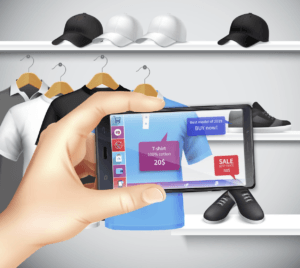
About 2.7 billion people shopped online in 2025. The number could reach 3.9 billion by 2029. Modern customers do not rely on physical store visits only. Most of them shop online through different channels before visiting a physical store. Sellers require a retail technology advantage.
It lets them tap into the benefits of online and walk-in customers. Retail device optimisation provides them with an omni-channel shopping advantage. Such tools connect them to inventory platforms, POS systems and customer databases. They allow quick order fulfilment, reduce delays and smooth experience.
Focusing on mobile tools alone and neglecting other devices like computers is an issue most retailers overlook. Real device optimisation improves the impact on MacBook performance. It improves Mac security, efficiency and trust from customers. Installing fake and unnecessary applications slows MacBook productivity. Visit Moonlock for insights on avoiding and removing potentially harmful programs or apps.
Clean your devices and avoid risks that affect customers and online traffic. Well-managed retail work devices support faster decision-making. It protects sensitive data and simplifies the work of IT teams.
The advantage of retail digital transformation in meeting customer expectations
Today’s customers expect more from retailers in improving their shopping experience. Optimised work devices give them a competitive advantage in retail. These tools reduce checkout time, long queues and response time. Delayed responses and checkouts frustrate shoppers and affect sales.
Retail device optimization improves service delivery and shopper loyalty. Mobile devices can be carried easily and used anywhere. They boost experience and attract more online traffic. Retailers benefit from higher conversion rates, return customers and revenue generation.
Meeting cost reduction and operational efficiency through retail technology advantage
Implementing retail digital transformation might require intensive initial investment. Retailers should consider the overall advantages in the long run. Optimised devices eliminate manual work, automate tasks. They remove errors and reduce costs for hiring workers.
These devices are equipped with tools that promote centralised retail management. They help teams update software on all devices with one click. Process automation removes unnecessary travel to manage remote teams. Systems can be configured and issues troubleshooting remotely. This saves costs and boosts operational efficiency.
Empowered workers and higher productivity
Optimized retail work devices improve worker efficiency and productivity. For example, workers can use handheld scanners and tablets to monitor inventory. The tools can help them confirm prices in real-time. These tools can help them answer customer questions without going to the warehouse.
Workers do not need to leave the customer service table to get the required information. Optimised work devices give workers a competitive advantage in retail. They eliminate repetitive entries and allow real-time support. Work teams make better decisions because they access data in real time.
These devices are easily connected with cloud services, payment systems and warehouses. They allow teams to invest more time in adding value to customers. Such activities improve shopper loyalty and influence on online traffic.
 Adopting retail device optimisation for data-driven decisions
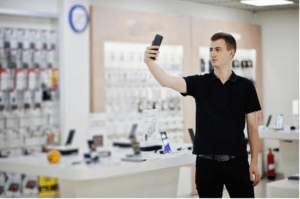 Adopting retail device optimisation for data-driven decisions
Data is important in retail environments. It comes from operations, transactions and customer interactions. Retailers collect information from social media, payment systems and websites. This data provides many advantages to retailers and their stakeholders.
- Help them understand customer preferences.
- It allows them to monitor stock in and out of warehouses.
- Provides a view of current sales trends and peak online traffic time.
- Provides data analytics easily accessible on mobile tool dashboards.
- Allow teams to track performance and create strategies.
- Allow them to personalise services, share recommendations.
- Provides a competitive advantage in the fast-changing retail environment.
Using retail digital transformation for quick and accurate stock management
Managing inventory in the retail industry is challenging. Retailers handle hundreds to thousands of products and orders daily. Some items might run out of stock leaving customers frustrated. Some products could be overstocked, leading to a waste of money. Retail device optimisation eliminates such challenges. For example, adding a barcode or an inventory app improves stock tracking.
An app can be configured to update stock data in real-time. They eliminate manual records that might contain many errors. It prevents running out of important stock. Retailers can use optimised work devices to plan promotions and process orders smartly. Customers feel satisfied and love associating with such retailers more.
Improved security and compliance as a retail technology advantage
Some retailers connect with online traffic globally. Such a store has the advantage of recording sales from a wider market. However, they may experience more security attacks. Local retailers also experience security challenges at different levels. Both categories may fail to comply with data security laws.
Optimised work devices contain high-value security features. They may have encryption, antivirus software, and multi-factor authentication as security measures. Optimisation allows them to scan devices remotely, release updates. They control vulnerabilities and help them achieve compliance.
Conclusion
Retailers use optimised work devices as a necessity instead of an option. Retail digital transformation provides room for reduced operational costs. Retailers manage inventory better and deliver quality customer care. Optimised retail work devices boost service delivery and customer experiences. Retailers should consider investing in such devices to give them a competitive advantage.