 The wearable technology market is evolving. While smartwatches were once primarily associated with fitness tracking and health monitoring, they have increasingly become everyday fashion accessories. For UK retailers, this shift presents opportunities beyond selling the latest devices.
Consumers are looking for ways to personalise their technology, creating demand for interchangeable straps, protective cases and other accessories.
Personalisation is driving consumer demand
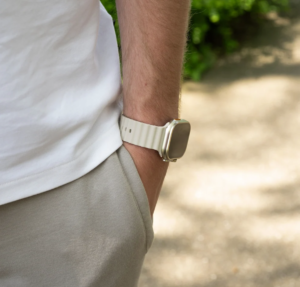
Today’s smartwatch owners expect their devices to suit different occasions. A watch worn during a morning workout might also accompany its owner to the office, a restaurant or a weekend event. This versatility has encouraged interest in interchangeable straps. Silicone designs are popular for sporting activities, while leather, metal and woven alternatives offer different looks and levels of comfort.
For retailers, accessories provide an opportunity to meet changing consumer preferences without requiring customers to invest in an entirely new smartwatch.
Premium smartwatches create new retail opportunities
The premium smartwatch segment offers an example of how accessories can appeal to different customer groups. Apple’s Watch Ultra range was developed with outdoor activities, fitness tracking and durability in mind. However, many owners also use their devices throughout everyday life.
Specialist retailers offering Apple Watch Ultra 3 straps demonstrate how different materials, colours and designs can help consumers adapt their watches to various activities and personal styles. For retailers, offering compatible accessories creates additional opportunities to engage customers long after the initial device purchase.
Building customer relationships beyond the initial sale
Accessories can play an important role in customer retention. Rather than relying exclusively on new hardware launches, electronics retailers can encourage repeat purchases through relevant complementary products.
Research highlighted by Retail Times on the UK’s consumer electronics trade-in market illustrates how additional services and products can contribute to customer spending.
The same principle applies to smartwatch accessories. Customers may return to replace a worn strap, purchase an alternative design or find something more comfortable for everyday use. For online retailers, personalised recommendations and well-organised product categories can help shoppers discover suitable accessories.
Compatibility and convenience matter
Despite the opportunities, selling smartwatch accessories presents challenges. Compatibility remains one of the most important considerations. Different smartwatch models require specific strap sizes or attachment systems, making clear product information essential. Retailers that provide detailed compatibility guides, accurate photographs and straightforward return policies can help consumers make more confident purchasing decisions.
Delivery speed, product quality and customer service also influence whether shoppers return for future purchases. For specialist e-commerce businesses, providing an excellent customer experience can be an effective way to compete against larger electronics retailers.
Supporting longer product lifecycles
Replacement accessories can also help consumers extend the practical lifespan of their existing devices. A damaged or uncomfortable strap does not necessarily require replacing an otherwise functional smartwatch. Offering compatible alternatives allows retailers to support customers who prefer maintaining their current technology.
As UK consumers continue to balance personalisation, convenience and value for money, smartwatch accessories represent an interesting retail opportunity. For businesses willing to look beyond the initial hardware sale, the next opportunity may already be sitting on the customer’s wrist.