

Andy Fairbanks, CEO of UK Protection Ltd, reflects on the recent rising tide of mob retail crime and asks why retailers are getting it wrong when it comes to security
Over the past 12 months, a clear and troubling shift has emerged. Retail crime is no longer opportunistic. It is organised, aggressive, and increasingly violent.
Major retailers are now saying so publicly. Marks & Spencer has warned that retail crime has become more brazen, more organised, and more aggressive, with incidents involving assaults on staff and even chemical attacks. Iceland Foods has gone further, calling for stronger protective measures for security teams due to the level of violence being faced on the front line.
Let that sink in. These are serious statements from major retailers, and they should be taken seriously across the industry. This is no longer theory or hearsay. This is the stark reality of UK retail in 2026.
We have all seen incidents play out on social media. The assault near Zara at Cabot Circus in Bristol, where a young girl was followed, targeted, and attacked in a busy retail environment in broad daylight. The scenes of disorder at Sports Direct on Oxford Street, where crowds forced open shutters and stormed the store – over Pokémon cards.
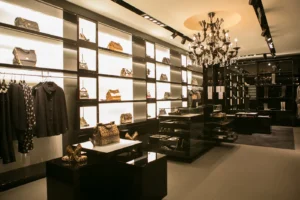
These are not isolated incidents. They are signals of a wider societal shift that many of us in retail security have been warning about for some time. Retail environments are now part of the broader security landscape, and retailers must accept the role they play in increasingly chaotic public spaces.
Here is the uncomfortable truth. Most national retailers are not prepared for this shift. Many are still hoping it will not happen to them.
Staff are placed on the shop floor with little or no conflict management training. Security is treated as a cost to minimise rather than a function to invest in. Intervention happens too late – if it happens at all.
Some major food retailers have instructed their security providers not to intervene, allowing
Retailers must accept that society has changed. The era of standing off and doing nothing is over. But why have so many

Primarily for PR reasons. Board members fear incidents being captured on phone cameras and shared on social media, potentially damaging brand reputation and share price. This fear reflects a fundamental misunderstanding.
Camera phones are everywhere. Retail crime exists.
If you operate stores in public long enough, crime will find you. So, consider which scenario is worse: a security officer detaining a violent shoplifter – which may not look pretty – or twenty youths rampaging unchallenged through your store, terrifying customers and staff, and demonstrating to the public that your premises are neither safe nor controlled? You cannot have it both ways.
Retailers do not need to turn shop floor staff into enforcers. That is not their role, and without proper training it could make things worse. But staff do need the confidence and skills to recognise risk early and respond safely.
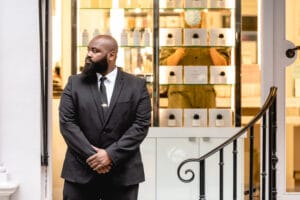
Retailers also need to invest in professional security and support their security providers in doing their actual job. A security officer is not a trolley collector, a cleaner, or a body to make up for a staffing shortage. They are there to provide security. It’s time to stop underestimating criminals who look for weaknesses that can be exploited.
The cost of getting this wrong is no longer purely financial. It is reputational. It is human. In some cases, it is life-changing.
Retail sits at the centre of our communities. If we fail to protect those environments properly, we all suffer the consequences.
At UK Protection Ltd, we work with retailers who understand this shift. Not the ones asking, “What is the cheapest option?” – the ones asking, “What is the right level of protection for our people, our brand, and to protect our loyal customers?”
That is the conversation the industry needs to be having.