
 A new report into modern British living has revealed that homes are increasingly a place of recovery, joy and togetherness, as nearly nine in 10 people (87%) say their home is a sanctuary from the world outside. The findings come as part of the 2026 iteration of B&Q’s annual The Way We Live Now 2026 report – an in-depth exploration of the latest trends, attitudes, and behaviours around modern living – which is now available to read here.
The Way We Live Now 2026 report has revealed a transformative evolution in how people across the UK live in their homes and the approach they take to making improvements. The report features the following trends and themes:
● Homes with feelings: Designing for calm, rest, and emotional wellbeing
● JoyMaxxing: When small pops of joy matter more than being practical
● Togetherness: Homes are evolving to bring people together
● Trade evolution: The trade sector is raising the bar on trust and professionalism
Now more than ever, the nation views their homes as cocoons of calm to support wellbeing and rest – nearly three quarters of Brits (71%) are treating their bedrooms as protected zones used only for rest and sleep. With mental wellbeing becoming a topic of national conversation, the home is no longer seen simply as a place to live, but as an essential influence in how we feel every day.
As a result, people are making more deliberate choices guided by what works best for their emotional wellbeing. They’re redesigning spaces to support reassurance and balance, with a whopping 93% saying the most important factor when making design decisions is creating a home that feels relaxing and calming, and trends (39%) and social media influence (31%) being the least important factors.
Another emerging behaviour revealed by the survey is the concept of ‘JoyMaxxing’, which sees people prioritising fun micro-upgrades that serve little practical purpose, ‘simply because they bring joy’. Seven in 10 (70%) say they enjoy adding playful touches that make their home feel emotionally uplifting, and 80% say they don’t want their space to look like everyone else’s, as people choose upgrades based on how they make them feel over trends they’ve spotted. This reflects a wider shift towards individuality, with over half (52%) rarely checking what’s trending when decorating.
Nearly three quarters of Brits (70%) enjoy adding playful or quirky touches to their home, with top wish list upgrades including appliance garages (a dedicated kitchen unit for concealing bulky countertop appliances) (61%), hidden rooms (51%) and standalone wine fridges (45%). Over half of Brits (54%) even like the idea of their home responding to them – for example, music playing when they ask, or lights coming on when they clap.
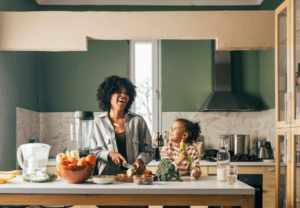
In these joyful, relaxing spaces, Brits are finding ways to prioritise spending time together as a family – something increasingly important for more than four in five people (84%). Following the pandemic encouraging the creation of separate spaces for privacy and independence, shared spaces are moving back into focus, with three in five (60%) liking the idea of the kitchen being the main social space in the home. Many children (82%) are encouraged to spend time in these shared spaces rather than bedrooms.
The report isn’t just limited to how Brits are living in their homes – it also looks at how spaces are built, and the evolution of the trade industry. The research revealed that increased competition in the trade market means tradespeople are working harder to build trust, as four in five Brits (80%) feel that tradespeople seem more professional than they used to be. And for younger generations, a strong social presence is now key to helping tradespeople build trust and win work – Gen Z and Millennials are three times more likely than Baby Boomers to prioritise professional online presence when choosing a tradesperson.
Graham Bell, CEO at B&Q says: “As the world feels louder and more uncertain, people are using their home more deliberately as a space to relax, recover, and enjoy small moments of joy. As our 2026 ‘The Way We Live Now’ report shows, we’ve seen an intentional shift in design choices that support emotional wellbeing – from creating cocoon‑like rooms to placing more emphasis on fun, choosing novelty features that add joy and talkability to the home. These insights support our evolution as we adapt our business to the way our customers want to improve their homes.”
To find out more information and download the report visit: https://www.diy.com/the-way-