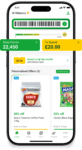
The next time you buy something in-store or online, pay close attention to the process. Chances are, the transaction is powered by a seamless mix of software, automation, and personalization that you barely notice. Digital technology has completely transformed how modern retail works – from inventory systems to customer interactions – and the changes are only accelerating.
For students, especially those studying business, marketing, design, or computer science, understanding these changes is more than useful. It’s essential. Retail isn’t just about sales anymore – it’s a real-world case study in tech innovation, consumer behaviour, and operational strategy. The sooner students become fluent in this digital language, the more prepared they’ll be for future internships and careers.
And yes, we know keeping up with all this can be overwhelming when you’ve also got papers due and deadlines stacking up. That’s why students often turn to essay writing services – to free up time for learning real-world trends like these while staying on track academically.
Let’s explore how the rise of digital retail is reshaping everything from shopping habits to job roles – and what students can do now to stay ahead.

Smart POS systems are doing more than taking payments
Point-of-sale (POS) systems used to be just cash registers. Today, they’re intelligent, connected platforms that manage everything from inventory and customer data to employee schedules and sales reports. Brands like Square, Clover, and Shopify POS have turned basic checkouts into real-time business dashboards.
For business students, this is an opportunity to study efficiency in motion. Modern POS systems show how retail leverages cloud technology, automation, and analytics – all in a single touchpoint. If you’ve taken a course in operations or supply chain, understanding how a retail floor operates digitally is a strong complement to your academic training.
And for students interested in entrepreneurship, these systems represent the accessible tech you’ll likely use to launch your own side hustle or store. Learning how they work now sets you up to manage your future business better later.
The AI brain behind retail personalization
Artificial intelligence (AI) might feel like a buzzword, but in retail, it’s deeply practical. AI helps companies predict what products will sell, when to restock, and how to personalize the shopping experience.
For example, fashion brands now use machine learning to recommend outfits based on your browsing habits. Grocery chains send you coupons tailored to your purchase history. Even inventory systems auto-adjust pricing in real time based on demand.
This is where students studying marketing or data science can really shine. Understanding how AI gathers, processes, and interprets consumer data gives you a major advantage. You’ll be better equipped to analyze behavior patterns, optimize advertising strategies, or even design smarter apps.
And for students writing about innovation, AI and ethics in today’s retail experiences make for fresh, relevant essay topics – something essay writing service clients frequently explore. As an EssayPro expert, Annie Lambert worked with dozens of students developing essays around these technologies, and it’s clear AI isn’t just a trend – it’s a shift in how we interact with brands.
Digital payments: smooth, secure, and still evolving
Contactless payments are now the norm, especially among Gen Z shoppers. Whether it’s Apple Pay, Google Wallet, or buy-now-pay-later apps like Klarna and Afterpay, retail payments are fast, seamless, and increasingly mobile.
Digital wallets aren’t just a convenience – they’re the new battleground for customer loyalty. Retailers are building custom payment experiences directly into their apps to keep users engaged and spending.
Students in finance, economics, or fintech should pay close attention. Understanding how payment tech integrates with banking, fraud prevention, and data tracking is a valuable skill set in today’s economy.
It also feeds into broader trends: cryptocurrency adoption, QR-based payments in developing markets, and the unbanked consumer. The more you understand this ecosystem now, the more future-proof your skills become.
Cybersecurity: the hidden hero of retail rech
Of course, with so much personal and financial data flowing through retail systems, security becomes a top concern. Cyberattacks in the retail sector have increased dramatically, targeting both large chains and small businesses.
Students studying cybersecurity, IT, or risk management should see retail as a dynamic, high-stakes environment. Retailers need constant protection – not just at the payment stage, but across cloud storage, user accounts, and internal communication tools.
Even if you’re not in tech, basic knowledge of how data protection laws like GDPR or CCPA apply to consumer-facing businesses can make you more valuable in marketing, business, or communications roles.
Data is the new shelf space
Every swipe, search, and scroll generates data. The smartest retailers are those turning that data into action – whether it’s through personalized emails, dynamic pricing, or smarter stock placement in stores.
Students interested in analytics, business intelligence, or strategy consulting can learn a lot from retail dashboards. These environments show how real-time insights can drive decision-making and improve customer satisfaction.
Some retailers now run internal “data academies” to train their staff on analytics tools like Tableau, Power BI, or Looker. If you’re already experimenting with these platforms in school, you’re one step ahead.
What students can do now
With so many moving parts, it’s easy to feel like you’re watching from the sidelines. But students can get involved in this transformation today – even without a tech degree.
- Choose retail innovation as a paper or thesis topic
- Attend a webinar or conference focused on retail tech
- Intern with a local business that uses POS or AR systems
- Take online courses in retail analytics, digital marketing, or payment systems
- Observe and critique digital experiences as a customer – then write about it
Final thoughts: you’re not just a shopper – you’re a future shaper
Retail is evolving fast, and it’s not just about the shopping experience. It’s about the systems, data, and design thinking that make it all happen. As a student, these shifts are more than interesting – they’re relevant to your future.
Digital innovation in retail is a real-world case study unfolding in real time. Whether you want to manage a brand, build a product, or decode the analytics behind a sale, this is a space where your skills will matter.
Stay curious, stay connected, and use the tools around you to keep learning – both in and out of the classroom.