IKEA UK today announces retail sales of £2.26 billion for financial year 2026 (FY26), an increase of 0.5% compared with the previous year (£2.25 billion).
IKEA’s expanded store footprint helped deliver a strong start to the year, with sales revenue growing 4.7% year-on-year in the first four months of FY26. However, amidst a challenging trading environment with weakened consumer confidence1 and sustained pressure on household budgets, sales revenue dipped in the second half of the year.
Despite this, IKEA invested £54 million to lower prices on 425 products in the UK in August 2026, as part of its ongoing commitment to help more people create a home they love without stretching their finances. Prices on selected products were reduced by an average of 20%, including on IKEA favourites such as the BILLY bookcase, HEMNES daybed and POÄNG armchair. From September to December 2026, IKEA also introduced more than 1,000 seasonally relevant in-store-only offers, including discounts of up to 20% on products such as extendable tables and soft toys, helping customers make the most of the festive season, whether hosting friends and family or finding affordable gifts for loved ones.
David McCabe, CEO and CSO of IKEA UK&IE, said: “I’m incredibly proud that in extremely challenging market conditions, we’ve managed to close financial year 2026 in growth. In a year when many households continued to manage their budgets carefully, we saw just how important the home remains to people’s everyday lives. This growth reflects the trust people place in IKEA to offer quality, sustainable and well-designed home furnishing solutions at prices as low as possible.
“In September, we started financial year 2027 with a clear priority: to continue giving customers the best possible value for money at a time when every pound matters. While cost of living pressures continue, we know a well-functioning home can make a real difference to everyday life. That’s why we’re continuing to invest in lowering our prices, helping more people create the home they want at a price they can afford.”
Bringing IKEA closer to customers
As consumer shopping habits evolve, IKEA continued to bring its offer closer to customers through a mix of store formats and online services. Building on the openings of IKEA Oxford Street, Brighton, Norwich and York towards the end of FY25, IKEA expanded its presence further in FY26, with the opening of a small-format store in Chester and a Plan and Order Point in Dundee. A further Plan and Order Point opened in Aberdeen in October, at the start of FY27.
Across IKEA’s UK network of 31 stores, total store visits increased by 7% in FY26, with visitation bolstered by IKEA’s expanded footprint, including those conveniently located in city centres and retail parks. In the latest example of the retailer embracing new opportunities to meet customers’ evolving needs, IKEA also opened a standalone Decathlon store within IKEA Croydon in April, creating a one-stop lifestyle shopping destination for customers.
The UK is one of IKEA’s most advanced omnichannel markets in Europe. Online and Remote sales grew by 0.7% compared with FY25 and accounted for 43.3% of total home furnishing sales in FY26. This demonstrates the retailer’s ability to continue growing their online business while expanding their physical footprint and becoming more accessible for many more people. Through continued investment in digital innovation, including AI-powered planning tools such as an AI room designer, and the IKEA App, IKEA UK is creating a more connected and personalised omnichannel experience, making it easier for customers to explore the range, shop seamlessly across channels and access services whenever and however they choose.
Innovative products continue to create value and drive success
IKEA’s range of innovative home furnishing products continue to give the retailer a unique point of difference. In FY26, IKEA’s year-long focus on Cooking and Eating aimed to make these activities more enjoyable, affordable and accessible for many more people.
This focus led to outstanding sales growth of 14% YoY in IKEA Kitchens, demonstrating the impact of a unified business-wide commitment to a shared priority. This was, in part, driven by improvements to the Kitchens offer – from planning through to installation, shorter waiting times for planning appointments, more consistent access to specialist expertise, and attractive pricing and installation offers. Together, these enhancements helped more customers create their dream kitchen at an affordable price.
As economic pressures continue to influence how people live, many households are choosing to make their existing spaces work harder rather than moving home. In FY27, Store and Organise will be a key focus for IKEA, helping customers make the most of the homes they already have without the cost of moving or renovating.
Transforming fulfilment, costs and reducing IKEA’s environmental footprint
In FY26, IKEA invested £31.5 million across its Customer Distribution Centres in Peterborough and Doncaster to make online fulfilment more efficient and sustainable.
In Peterborough, new technology is helping teams manage inventory and fulfil orders more efficiently. This includes using drones to support inventory management and machinery that packages orders to size, reducing material usage by up to 30%.
A further £1.5 million investment in Doncaster has expanded the centre’s capacity to fulfil more orders, enabling it to service the Gateshead, Edinburgh and Glasgow areas while creating 80 additional jobs at the site. By fulfilling these orders from Doncaster, rather than Peterborough, IKEA expects it will reduce emissions from delivery journeys by an estimated 280 tonnes of CO2 annually4.
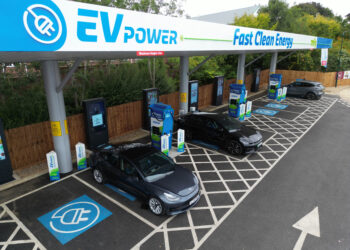
In FY26, 86% of UK deliveries were made using electric vehicles. IKEA is also planning to launch EV charging hubs at its Edinburgh and Glasgow stores, including charging facilities for electric heavy goods vehicles.
Beyond fulfilment, IKEA recorded growth in its circular business areas, with spare parts sales increasing by 13% and second-hand sales rising by 17%.
In addition to the investments and initiatives outlined above, IKEA has continued to focus on other elements of its Total Cost Transformation programme aimed at increasing operational efficiency, reducing costs and building a more sustainable business. Specifically, IKEA has optimised the utilisation of assets by increasing the proportion of online sales fulfilled through stores by 1.4% compared with FY25, while also generating additional value through the rental of excess space to third parties. IKEA has also worked closely with external partners to invest in technological advancements that help reduce facility management costs and improve energy, water and waste efficiencies.
Creating the conditions for future growth
Looking ahead, IKEA sees significant opportunities for future growth in the UK. However, while the recent Budget avoided introducing significant new costs for retailers, the business says structural cost pressures continue to impact investment and competitiveness across the sector.
McCabe continued, “The UK has the highest business rates burden of any IKEA market in Europe and the third highest globally. While the Budget avoided adding further costs, it missed an opportunity to back retailers under real pressure, stopping short of addressing the structural challenges holding the sector back. Retail is a vital part of the UK economy and communities nationwide and a more competitive operating environment would help businesses invest with confidence, while continuing to keep prices as low as possible for customers.”