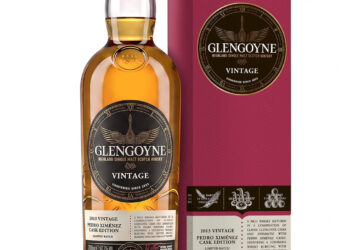
 Licensed products are having a strong year. Figures released as Brand Licensing Europe opened in London last month put global sales of licensed goods and services at $389.8bn, up 5.45%. The UK grew fastest of the four large European markets in Licensing International’s study, rising 7.2% to $19.2bn, with corporate brands up 32.6% and food and drink up 27.3%.
For a buyer, the logic of brand licensing is familiar. A known name shortens the pitch, earns the facing and gives the shopper a reason to pick the product up. What happens next is much harder to see. Does the borrowed name make the product any better, or does it only get it noticed?
Why brand licensing is hard to judge from the shelf
Retail rarely gets a clean test. A licensed range and its unlicensed neighbour are different products at different prices, and nobody marks both on one scale. Sales data mixes the pull of the name with the quality of what is in the box.
The deals themselves show how much rides on the licensee. When Supreme took the UK licence for Carabao, it took on production and supply of the drinks, not only the right to print the name. When Gordon Brothers bought Radley out of administration this year, it went on to appoint a licensing partner to develop, source and distribute the handbags. In both cases the brand owner supplies the name and another company makes the thing the customer actually handles.
So the useful question is whether that other company matters more than the name. One UK consumer market happens to publish the data to answer it.
A market where borrowed names get the same scorecard
Online casinos are an odd place to look for a retail lesson, but the structure is the same. Britain’s licensed market includes sites trading on names made famous somewhere else. Monopoly Casino borrows from the board game, Virgin Games from Richard Branson’s group, BetMGM from a Las Vegas resort company and LiveScore Bet from a football scores app. Bally Bet, Rainbow Riches Casino and Slingo do the same with names from casino resorts and games. They compete with operators’ own brands for the same adult customers.
Unlike most retail categories, all of them are marked against the same criteria. One published table shows which UK casino sites come out on top, scoring just over 100 of them out of ten on safety, games, payout rates, bonus terms and payments, with the weight given to each set out. That makes it possible to check where the borrowed names land.
Mostly, they land in the middle. On 10 November, LiveScore Bet had 7.2. Bally Bet and Slingo had 7.1. Rainbow Riches Casino and Monopoly Casino had 7.0, and Virgin Games had 6.8.
The average across the whole list was 6.9.
That is six famous names, and all six score within three tenths of an ordinary site. The recognition that wins a first visit does not show up in the marks.
The licensee decides the score
The reason sits underneath the name. Monopoly Casino and Virgin Games look like rivals, but both run on one Gambling Commission account, number 38905, held by Gamesys Operations.
Same operator, same platform, and scores of 7.0 and 6.8.
The exception makes the same point. BetMGM, on 7.9, is the only borrowed name in the top ten. It runs on the licence and platform of LeoVegas, an operator with a long-established casino business of its own.
The Las Vegas name is on the door, but the score follows the company behind it.
The top of the table, meanwhile, belongs to operators trading under their own names. Ladbrokes and Unibet share first place on 8.1.
What buyers can take from it
None of this is an argument against licensing. The name does its job, which is to get the product considered. The scores suggest three checks before signing.
• Ask who the licensee is first. The maker’s track record tells you more about the product than the licensor’s fame does.
• Compare it with the supplier’s unlicensed lines. If the two are close, the royalty is buying attention only. That can still be worth paying for, but it should be costed as marketing.
• Judge it on repeat purchase. Launch-week sales measure the name. The second purchase measures the product.
Licensed ranges will fill seasonal aisles between now and Christmas, and the sell-through will look like proof that names sell. They do. What the customer thinks after opening the box depends on a company whose name is usually in the small print.