
 Waste management expert Graham Flynn says procurement decisions made long before an item reaches the bin can have a significant impact on disposal costs, recycling rates, and the amount of waste businesses generate.
Sustainability is becoming a major consideration for procurement teams, but many businesses have yet to turn those ambitions into action. Research published in 2025 found that 82% of procurement professionals consider sustainability a strategic priority, while only 70% said their organisations had already implemented sustainable procurement initiatives.
 Waste management expert Graham Flynn, Director at Anenta, says businesses looking to close that gap should pay closer attention to what they buy, not just what happens to products and packaging once they become waste, warning that poor procurement decisions can leave businesses with higher disposal costs.
Waste costs can be determined before anything reaches the bin
Graham says: “Waste management often starts at the bin, but by that point many of the decisions determining how expensive or difficult that waste will be to manage have already been made.
“The starting point should be procurement. Businesses need to think about what will happen to a product, its packaging and its component materials once they have finished using it. Something that appears cheap or convenient to buy can become much more expensive if it has to enter a specialist waste stream or repeatedly contaminates recyclable material.
Difficult materials can create contamination problems
Graham says mixed and difficult-to-separate materials are one of the areas procurement teams should examine more closely.
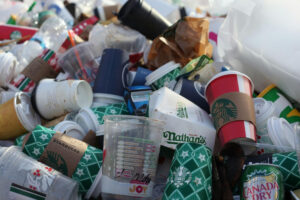
“A common problem is buying products made from several materials that cannot easily be separated, for example, disposable coffee cups with a plastic lining. Once those items enter a recycling stream, they can create contamination and may ultimately have to be treated as residual waste instead. Businesses can then lose the environmental benefit they were expecting while potentially increasing the amount they pay their waste provider.”
“Packaging is another obvious area to examine. Procurement teams should be asking suppliers whether unnecessary packaging can be removed, whether reusable alternatives are available and whether packaging materials fit the recycling streams the business already has in place.”
Procurement and waste teams need to work together
Graham also warns that procurement decisions are often made without enough input from the people responsible for managing the resulting waste.
“There needs to be communication between procurement teams and the people responsible for waste. Too often these functions operate separately. A purchasing decision that looks efficient on paper can create an entirely different problem for the facilities or waste team responsible for disposing of it.
“In practical terms, businesses should review their highest-volume purchases and identify which ones generate the most waste, contamination or difficult-to-manage materials. Those are usually the best places to start.
“Sustainable procurement does not necessarily mean paying more. It means considering the whole lifecycle cost of what you buy. Reducing unnecessary materials, avoiding products that are difficult to segregate and choosing options that work with existing waste streams can make waste management simpler and more cost-effective as well as reducing environmental impact.”
Waste data should feed back into buying decisions
Graham says businesses should also involve their waste provider when reviewing procurement policies, particularly where recurring contamination or difficult waste streams have been identified.
“Waste providers can help organisations understand what materials are actually recyclable within their collection arrangements and where contamination is occurring. That information should feed back into procurement decisions.
“The broader advice is simple: do not treat procurement and waste management as two separate issues. What a business buys today shapes the waste it manages tomorrow.”