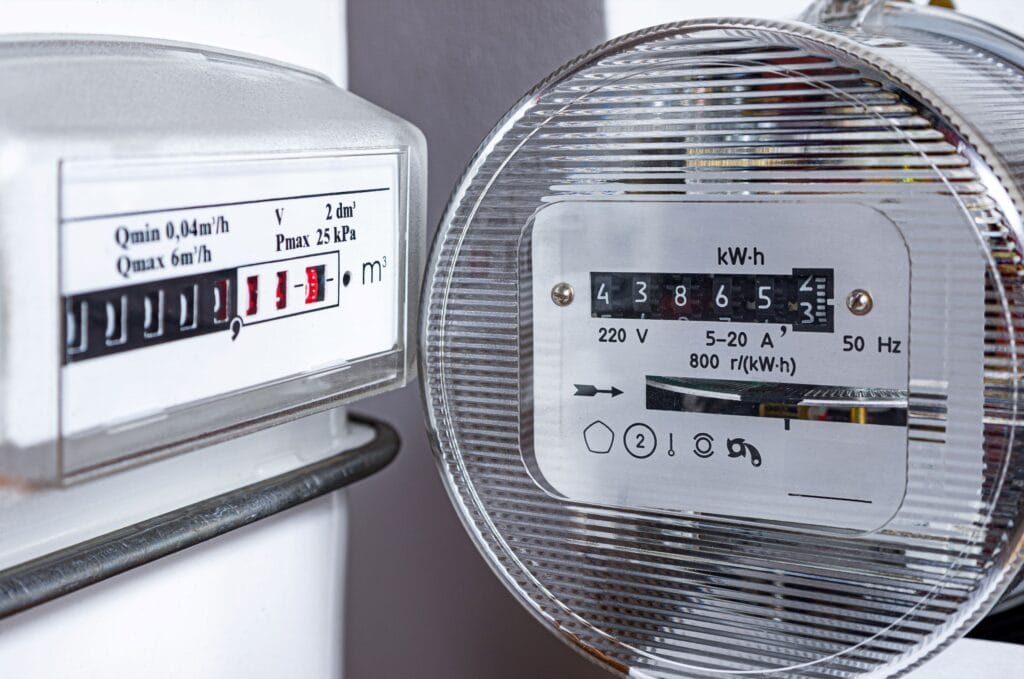
 The energy industry has been mandated to start the transition of 30 million electric meters to Half-Hourly (HH) Settlement from October 2025 – also known as the Market-Wide Half-Hourly Settlement (MHHS) programme. For the retail sector, this could mean facing an unavoidable compliance deadline that will impact budgets and operations. With more than 20 years’ experience in the energy sector, Sam Buckingham at Consultus International discusses the critical factors for retail operators to consider in order to stay ahead

Amidst a challenging economic climate, marked by tight operational budgets and rising costs, the UK’s retail industry faces intense pressure. This environment makes the MHHS programme a real challenge, especially for multi-site retailers whose sites carry many of the traditional Non-Half Hourly (NHH) meters that are in need of updating. However, there is still time for businesses to get to the front of the MHHS queue and take control to avoid operational issues and hidden costs.
An imminent challenge
New regulations for energy suppliers have been introduced by Ofgem to ensure better visibility on electricity consumption, shifting all meters to those that collect data on a half-hourly basis. Given current NHH consumption data is sourced from physical meter readings, this will give operators far more granular data on how, when and where power is consumed, assisting in the government’s drive for businesses to become more efficient and sustainable.
The rollout comes with a hard deadline of May 2027, by which all sites need to have had meters converted. This date has already been delayed, so it is essential that businesses understand what this means for them and take action.
While businesses will have been notified about this change, from our experience as energy consultants, there is generally a low awareness of what this will entail and the benefits.
Potential risks
One of the main difficulties about this shift is the uncertainty surrounding cost and installment times. Currently, there is no set figure for how much this process will cost, or confirmation on exactly when it will happen. While the energy supplier is legally obligated to appoint a meter operator and data collector who will organise this process, businesses can and should consider managing it themselves.
Doing this will give full control over preferred operators and costs, therefore providing more certainty for businesses to factor agreed costs into their budgets. In addition, by choosing not to take action or delaying this process, businesses are at the whim of their supplier. This means the rollout will be done at the supplier’s pace, which could mean different sites are addressed at different times, making planning difficult. This is particularly important given the installation will likely cause power outages, which could mean systems such as till points are out of action for several hours.
When we also consider the lack of availability among engineers able to carry out these upgrades, early action is even more essential to support smooth management and delivery.
Regarding a recommended timeframe, Consultus International has been successfully able to upgrade 30 properties for a multi-site retail operator within two months, with data flowing from the first working day, which shows that the process isn’t something that happens overnight.
Bonus benefits
 While the MHHS programme is mandatory, the changeover is going to result in a wealth of benefits for retail businesses. In the main, moving from estimated to more accurate, half-hourly billing will eliminate the risk of underpaying or overpaying on bills. This makes it much easier to be able to budget effectively and quickly spot patterns where further savings could be made.
The new data also allows suppliers to offer Time of Use (TOU) tariffs that were previously inaccessible with NHH meters. This means businesses can use the data to shift energy usage away from peak times to benefit from lower charges, such as carrying out cleaning on a nightshift.
From a sustainability perspective, the ability to gain more granular data is invaluable to supporting energy efficiency. Regardless of supplier, businesses will be able to access five years’ worth of data, allowing for meaningful analysis of consumption and validation for any energy saving investments. This detailed data is also the first key step to start a net zero pathway – as what you don’t monitor, you can’t manage, particularly when aiming to reduce carbon emissions and being able to report against sustainability goals.
Finally, HH data allows for faster delivery flow between providers. The improved access that comes with HH data means that faults, issues, or loss of data communication can be identified and fixed much quicker, improving site uptime and reliability.
A clear pathway
The first step for retail businesses is to review your portfolio of sites that with NHH meters in need of converting. Then the person responsible – possibly in estates, contracts or procurement management – would need to arrange a direct contract with an accredited meter provider, rather than relying on the supplier’s default choice.
Another option would be approaching an external consultant who can manage the entire process, as it can become very complex the more sites and logistics are involved. This would entail a full portfolio review, tendering for the most competitive meter contract, and managing the rollout. At Consultus International, we also then house the data collected for the client, which is particularly important for businesses that may have neglected their data integrity through human error or lack of training, for example.
Taking action
For any retail business with a multi-site portfolio, it is crucial to consider the time needed for this rollout to take place and to start as soon as possible. While there is still time left, it is worth considering the millions of meters across the industry that are also awaiting upgrades.
By taking proactive measures now, the retail industry can gain crucial cost certainty, better manage the rollout and immediately unlock the five-year data stream. As well as compliance, there is an opportunity for businesses to leverage this shift to gain a competitive edge, achieve greater billing accuracy, access flexible Time of Use tariffs, and finally put your business on a credible, data-validated path towards net zero carbon.
For more information, visit: https://consultus.com/services/metering/