The term ‘gamification’ has been around for over two decades, but it only truly became part of the wider public consciousness in 2010, when it began to be seen in many different areas of marketing, education, and commerce. This is where you began to see a game style used to design what had previously just been seen as functional processes, such as within educational settings to maintain focus on students, attract potential customers, and lower a website’s bounce rate to boost SEO.
As technological improvements have been made in a whole host of industries in recent years, and the public is more used to gamification as an idea throughout all ages, it is interesting to see how the retail sector, in particular, is leveraging gamification to enhance the customer experience in both physical and online retail stores.
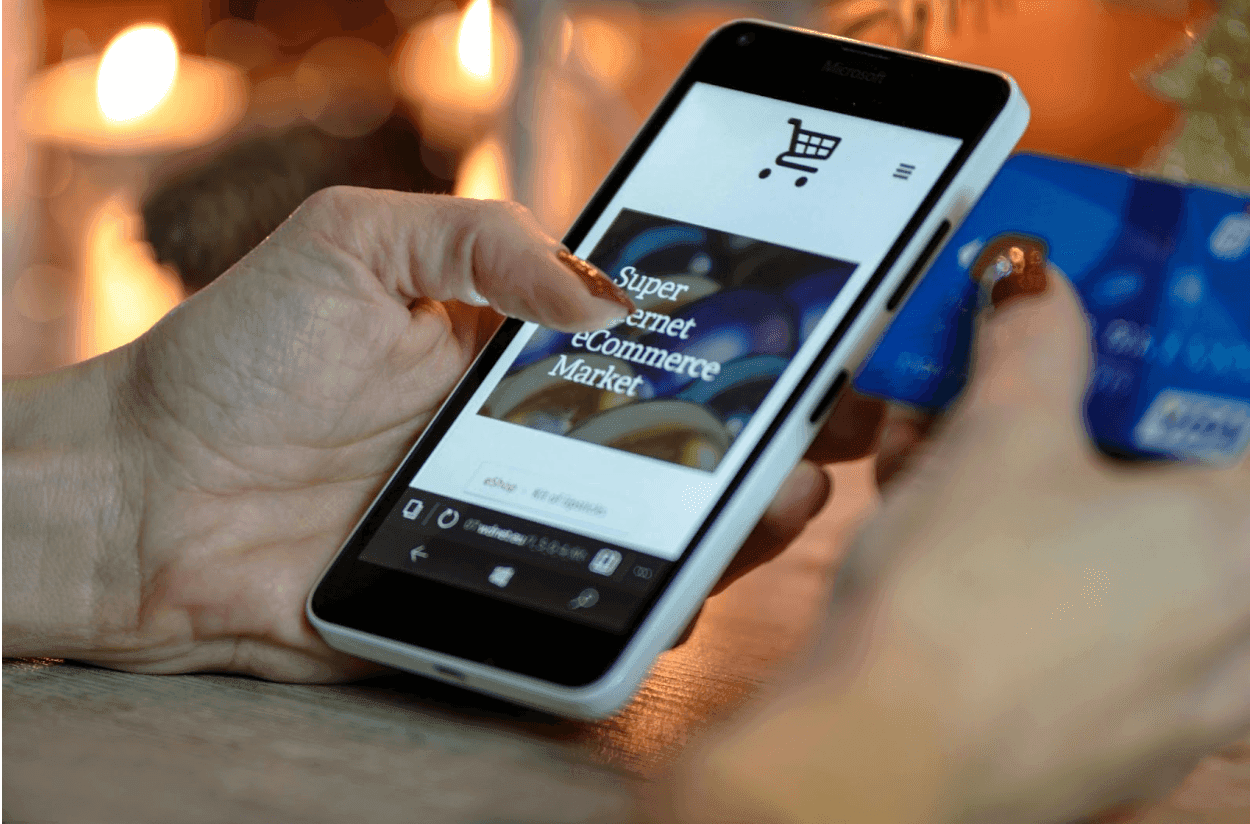
What is gamification
In simple terms, gamification is adding elements of gameplay to a website or process in a non-game context to increase user engagement and make the entire process more appealing.
Since the term ‘gamification’ was first used in 2002, many different industries have successfully applied this concept, such as education, healthcare, fitness, and iGaming. Companies and institutions can leverage fun, game-like elements to enhance the overall user experience, offering rewards for completing challenges and making an otherwise dull activity more enjoyable and rewarding.
Gamification for online casinos
Before we get onto retail itself, there is an area where gamification has had a significant effect on customer service, and that is within the world of online casinos, where the entire platform is geared towards game playing.
In the context of an online slot game, for example, gamification incorporates different challenges that trigger unique rewards alongside social interactions and other elements that enhance the overall gaming experience. How do you find the best offers for online slots and online fruit machines like these ones?
Utilising a website with an aggregate list of fully reviewed fruit machines and online slots allows you to try out a few different platforms and games for free before deciding on which one is fun and secure enough for you to deposit your own cash to play. Utilising the experience of other players is the best way to find those deals and promotions where you can ‘try before you buy’ and play free online slots, seeing which has those in-play gamification elements that make you stand up and take notice.
Online slots and gamification
Within the world of online slots, in particular, gamification is used in a variety of innovative ways:
- Story-driven slots: In the early days of slot machines, players just had to spin the reels and see what came up. There was no storyline, no gamification. Slots that have a story and a theme behind them are incredible examples of how gamification has developed the industry, making every slot more appealing and ensuring that though there are thousands of slot games out there, there is something for every type of player.
- In-play challenges and side missions: Within a storyline or mission, there can still be stale periods of play in any type of game. Where gamification has truly changed the iGaming landscape by adding another layer of gaming potential in the form of side missions and challenges. This is where players could be given a certain number of free spins or bonus cash if they play a set level of games each day or week, where they can compete with other players to move up the ladder and win greater rewards.
- Social interaction: By adding a competitive element in the form of other players, this makes it more likely that a player will return to keep up with the competitors, and also provides the chance for social interactions, whether that is leaderboards where you can achieve a better ranking as a player or chat functions for specific one-v-one games.
- Custom play: Lastly, gamification allows for some personalisation and customisation that has changed the game for online slots and the modern player. Custom game themes, character and avatar customisation and other personal settings allow players to play the game their way.
This is all a very interesting way to look at how gamification can be used in the best way, and even though it is a very different sector, the retail industry can learn lessons from the iGaming landscape to see how gamification can be used in a way that is authentic and genuinely connects with customers, even if there are not the inherent gameplay elements to retail like you naturally find at online casinos.
 Gamification in retail
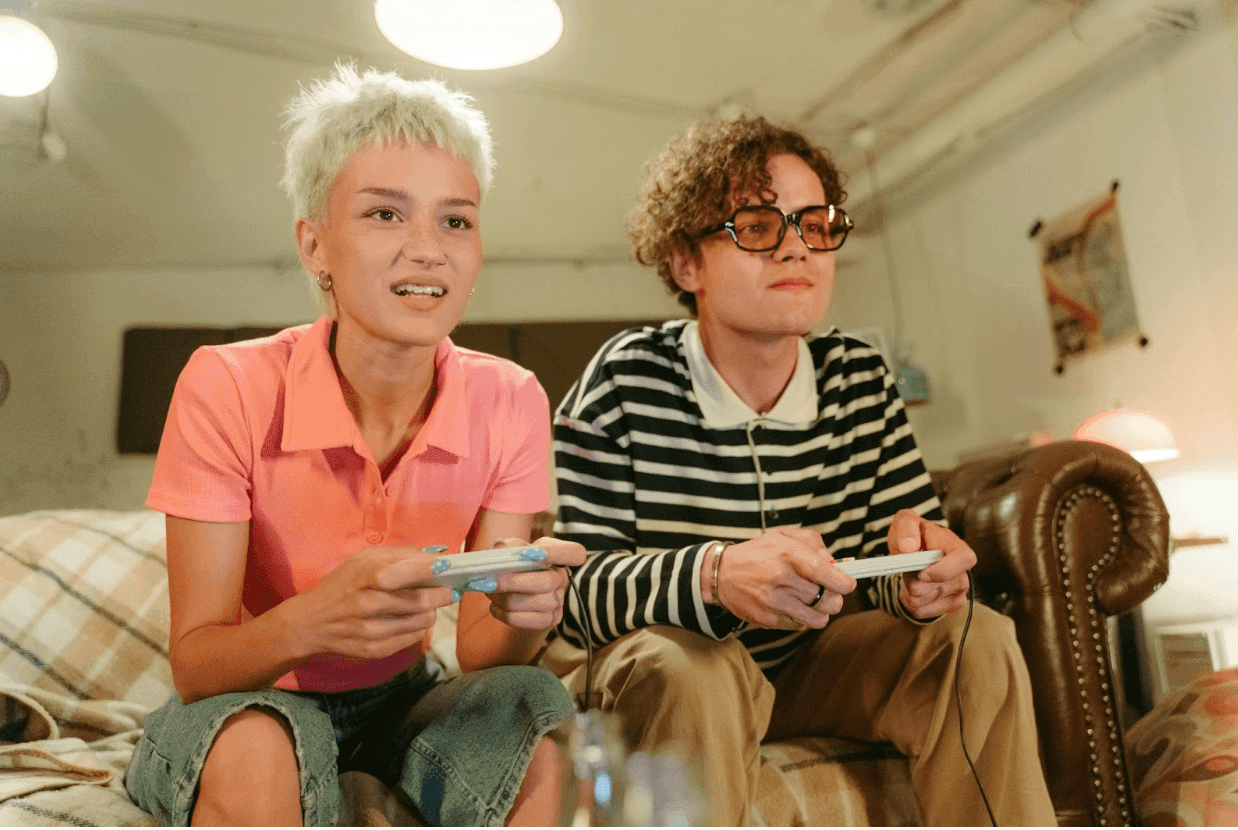 Gamification in retail
Of course, gamification in retail will look different from its use within iGaming, but the principles remain the same. It is about integrating fun challenges and game-like elements that can be addictive in a way that draws in potential customers, maintains a loyal customer base, and improves the perception of the retail brand in question, both in physical stores and e-commerce stores.
Gamification in retail can include discounts for loyal customers, free items, early product releases, or specific promotions when customers reach a certain milestone in their relationship with a brand.
An example of gamification in hospitality
One quick gamification you see in retail is within the hospitality world, particularly coffee shops and cafés. A loyalty card provides you with a series of coffee-shaped icons on your personal card. Every time you go into that coffee shop and make a purchase, you’ll get a stamp or a tick on your card.
When you reach, say, 6 coffees, you are entitled to a 7th free. This could be right away or on your next visit. It turns the process of buying a simple cup of coffee into a personal game you are playing, so it makes it more likely that you will return more regularly to make the same order.
Repeat custom is everything in retail, and when gamification is used effectively and in a simple way, as in our coffee shop example, it makes it much more likely. Types of gamification in retail include:
- Points and rewards: Сustomers can accumulate points and virtual badges to unlock ‘prizes’, specific discounts, and promotional offers.
- Competitions: Brands can leverage gamification through photo contests, trivia, and tagging friends on social media.
- Loyalty programmes: The more you buy with a company, the higher the level of customer you become within a loyalty programme, unlocking greater standard discounts and early access to new products.
Why should retailers implement gamification
Gamification for retailers offers the following benefits to retail brands:
Better engagement
Consumers love challenges, and gamification, even in its simplest form, allows customers to play games and be challenged. It increases engagement.
Build a brand
Brand building and awareness are everything in the modern world. A retail brand can use gamification to increase brand awareness and positive brand perception.
Analyse customer data
As the death of third-party cookies makes it harder for brands to collect customer data, gamification offers another route for cleverly analysing customer data for personalisation and future marketing campaigns.
Gamification is here to stay, and as technologies improve, so too will the potential for gamification within the retail and the iGaming landscape, to name just two of the sectors where gamification is already effectively used.