 Retail and gambling may appear to be on separate tracks, but they often run in parallel when it comes to how they attract and keep customers. Both aim to create environments that encourage people to stay longer and spend more. Whether it’s a brightly lit high street store or the thrilling atmosphere of a casino, the goal remains the same: draw people in, keep them engaged, and give them reasons to come back.
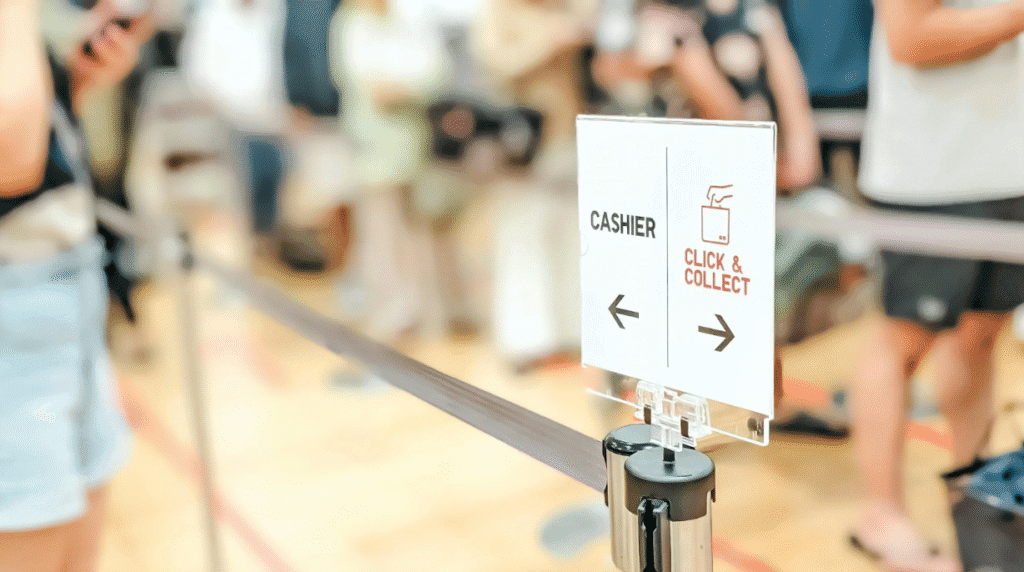
Fast payments and easy transactions have become key in both settings. Shoppers expect smooth checkouts and clear return policies. Gamblers, especially online, want access to winnings without delays. This is one reason behind the increased popularity of the top fast withdrawal casinos in the UK recently. These sites reduce waiting times and help build trust, offering features like same-day payouts, low withdrawal limits, and clear verification steps. When players know they won’t have to wait days to get their money, they are more likely to stick with that platform. The retail world is taking note, with more stores now investing in faster payment systems and flexible refund options.
Loyalty is another area where casinos have long held an advantage. From free meals and hotel stays to exclusive table access, regular players are rewarded in ways that make them feel valued. Retail has taken cues from this by moving beyond traditional loyalty cards. Now, frequent shoppers may be invited to early sales, sent personalised discounts, or offered experiences not available to the general public. These small touches create a sense of exclusivity that mirrors the casino VIP model.
Store layout is often based on psychology, just like the floor plan of a casino. There are no clocks in gaming halls for a reason. Without time cues, people stay longer. Similarly, supermarkets and shopping centres are designed to guide customers past tempting displays. Everything from the lighting to the background music is carefully chosen to keep people browsing. Many retailers are using scent and temperature in the same way casinos do, to create comfort and reduce stress, which can increase the likelihood of impulse buys.
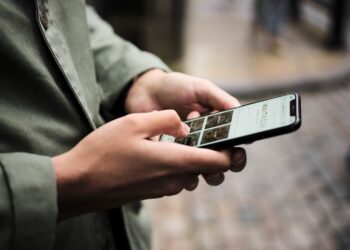
Retailers are also learning from how digital casinos attract and hold attention. Gambling platforms now have smooth interfaces, engaging visuals, and instant feedback systems. These elements have crept into online shopping through spin-the-wheel discounts, gamified loyalty challenges, and real-time product suggestions. Retail apps now often mimic slot machines with surprise rewards or bonus points for completing small tasks. This creates a feeling of progress that keeps users returning regularly.
In the digital space, both industries rely heavily on user data. Casinos track every click and spin to understand behaviour and adjust their games accordingly. Retailers do the same with website visits, basket sizes, and purchase history. This information helps shape not just what products are pushed, but also how they are presented. A slow-selling product may be moved online or paired with a popular item. A poorly performing webpage may be redesigned. The decisions are made based on real habits rather than assumptions.
Partnerships between retailers and gambling brands are also becoming more common. It’s not unusual to see small betting shops near coffee chains or supermarkets. These placements are chosen based on traffic patterns and buying habits. Some casino games now feature retail brands, and stores are beginning to experiment with in-store games that resemble simple betting mechanics. These methods are used to create a bit of fun that drives engagement and repeat visits.
Technology is another shared strength. Casinos were quick to bring in self-service machines and contactless payments. Retail followed, with self-checkouts now a fixture in many shops. Both sectors also use facial recognition and security tech that improve safety while reducing staffing needs. As customers grow more comfortable with these systems, they’ve become part of the expected experience in both retail and gaming spaces.
The connection between retail and casinos is deeper than most would expect. It’s based on a common goal, which is getting people to spend, and then encouraging them to return. Techniques that work in one space often make their way into the other. Whether it’s loyalty systems, digital features, or store layouts, both sectors continue to borrow and adjust based on what works. As shopping becomes more about the experience than the product, expect these two industries to remain closely linked in how they think and operate.