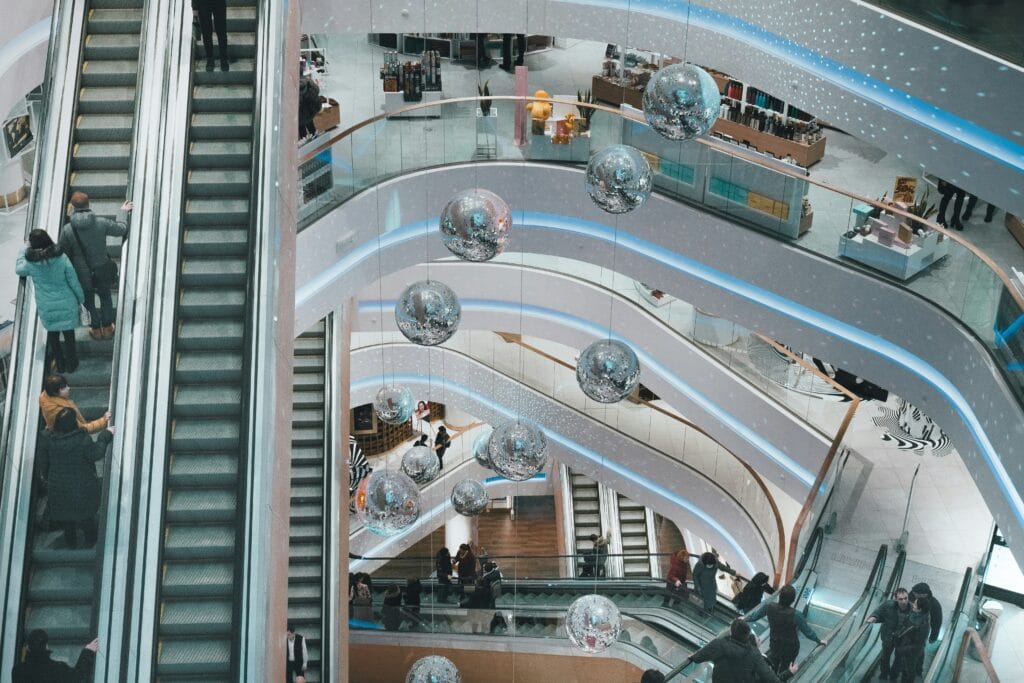
 There was a time where shopping was simple. You wrote a list, walked to the store, and grabbed what you needed. A quick chat with the cashier, and then you’d be off again. The same thing online. Find the store, point the mouse, click, and wait for your order to arrive. Obviously that is not a thing from the past, but still the way most people shop. But the retailers have recognized the development in other parts of society, where there is a constant need of being entertained. More and more people are not content with just buying what they need, but want an experience. As a response to this, many retail stores, whether physical or online, have started to improve the experience by adding entertainment.
The experience revolution in retail
Shopping for milk shouldn’t take 2 hours. But throw a wine tasting corner in a grocery store, add some chatty neighbors, and suddenly everyone’s trying six different chardonnays and buying cheese they can’t pronounce. This is retail now apparently.
Everything’s an event now
Lululemon has DJs now. LULULEMON. For yoga pants. They’re serving green smoothies and running 5-minute stretching classes in the middle of the store.
The worst part—it works. People go in for £80 leggings, come out with £200 worth of stuff. Headbands appear. Water bottles materialize. Nobody knows how it happens but the DJ was actually pretty good.
Online shopping’s identity crisis
Some shopping sites have gone a step further and are starting to blur the lines between actual shopping and fueling the dopamine centers in the brain while people are placing fashion items or electronics in their digital cart. You might have even encountered this phenomenon yourself when you were shopping: Spin the wheel for a discount, play scratch cards for free shipping; a lot of the elements from the online casino industry have been implemented in the marketing of these otherwise unrelated sites.
And why is that? Because it’s proven to be one of the strongest and most effective marketing strategies out there. It’s like Vegas meets the mall – but just like on the gambling sites, you should always mind your spending, whether you’re spending on an actual casino or simply shopping for a fashionable pair of pants.
Everyone’s a sucker
Three months ago, “plant parties” at boutiques seemed like peak nonsense. Pay £40, pot a succulent, drink moscato. Total scam.
But then bookstores started doing bourbon tastings. £35 to try whiskey and “learn about the distilling process.” There are tasting notes. People take them seriously. They buy two bottles and books about bourbon they’ll never read. Same trap, different bait.
Small stores got weird
That corner shop that used to just sell overpriced milk and newspapers does coffee cuppings every Sunday now. CUPPINGS. Like wine tasting but for coffee and somehow more pretentious.
The hardware store has “project nights” teaching bathroom tiling and deck building. In theory. In practice it’s middle-aged guys drinking beer and arguing about drill bits. Still beats actual socializing.
Even barbers got fancy. Whiskey and a cigar while you wait, an old Nintendo in the corner, beard oil that costs more than haircuts. Ridiculous prices, but hey – softest beards in town.
Big stores lost their minds
Nike stores barely sell shoes anymore. First there’s a hologram, then a treadmill analysis, then custom color design on an iPad. Teenagers half everyone’s age diagnose “concerning pronation.” People buy the recommended shoes. Plus insoles. Plus NASA-designed socks. £200 later they still run like wounded deer but their feet look good.
Best Buy turned into an arcade. Target has a Starbucks AND a pizza place AND some boutique makeup thing. Malls have escape rooms where Orange Julius used to be. Nothing’s sacred anymore.
The data thing nobody mentions
Every click, browse, and stupid quiz about bread types (everyone’s sourdough, apparently)—it’s all tracked. They know about those seventeen air fryer searches before purchase. They know about abandoned carts when shipping isn’t free. They know everything.
The creepy part: recommendations are getting scary accurate. Instagram ads for guitar strings appear right when people think about playing again. No searches. No browsing. Just thoughts, then ads. The phone’s probably listening. That’s worse somehow.
The future looks insane
People even buy cars through TikTok now. Through what was used to be known as the “dancing app” Stores are becoming entertainment venues that happen to sell things. Websites are TV channels where viewers can buy what they’re watching.
Everything blends into everything else until nobody can tell where shopping ends and living begins. That’s probably the point, and for the stores – it’s working, as the effects are making the revenue go up. What the future brings – who knows.
Confused consumer notes
Stores that only sell olive oil exist now. ONLY OLIVE OIL. With tasting bars. Owners who know more about olives than most people know about anything. Lessons about cold-pressing and first-harvest and Mediterranean soil conditions.
But people have great times there. Meeting couples from Portugal, learning something new, feeling fancy for an afternoon. That’s worth something. Or everyone’s just justifying spending £90 on olive oil. Both. Definitely both.
New stores keep opening. Plants mixed with coffee and vinyl records. Launch parties with live music and tastings. Everyone goes. Everyone spends too much. Everyone loves it. That’s retail now. Can’t imagine what’s to come in the future.