
Tattooing now sits at the centre of culture, fashion and identity. Social platforms bring global exposure, yet that visibility also raises client expectations. A modern studio competes on quality, safety and professionalism as much as on artistic skill.
Many artists reach a point where bookings feel full, but income stays fragile. Late cancellations, uneven cash flow and rising costs place pressure on even respected names. A career built on talent alone struggles to withstand these forces.
Long-term stability depends on business structure, risk control and client trust. A studio that treats itself as a professional operation benefits from clear pricing, reliable systems and proper tattooing insurance, which supports compliance with health standards and protects against claims linked to injury, allergic reactions or property damage.
From artist to professional operator
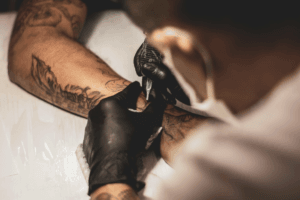 A sustainable tattoo career begins when the artist adopts the mindset of a business owner. This shift doesn’t dilute creativity; It gives it a platform to thrive. Registration, licensing and formal processes provide a base that clients and partners recognise as credible. When an artist controls bookings, finances and legal standing, each session supports a long-term plan rather than short-term survival.
Building a brand clients and insurers trust
A strong brand builds trust with clients and underwriters alike. Visual consistency, clear communication and professional conduct reinforce confidence beyond the artwork.
Style, visual identity and positioning
A defined style shows what a studio stands for. Colour palettes, studio design and online presentation support that message. When these elements match the artist’s work, the brand gains clarity and attracts clients willing to pay for that specific aesthetic.
Reputation, reviews and risk perception
Reputation influences bookings and also affects how a business appears to insurers. Public feedback offers a record of professionalism, hygiene and communication. Studios with a strong track record face fewer disputes and enjoy smoother operations.
Key factors that shape perception include:
- Consistent positive client reviews
- Clear aftercare guidance and follow-up
- Evidence of hygiene standards and compliance
- Transparent policies for deposits and cancellations.
These signals reduce uncertainty for clients and risk for the business.
Income stability is a business design problem
Creative success doesn’t guarantee financial stability. Predictable income comes from systems that protect revenue and limit disruption.
Booking, deposits and no-show control
Deposits secure commitment and limit last-minute cancellations. Digital booking systems add reminders and record-keeping, which improves attendance and planning. Clear terms for rescheduling and refunds help keep cash flow predictable.
Why multiple income streams reduce risk
A studio that relies on one source of revenue faces greater exposure. Additional streams spread risk and support quieter periods.
Benefits include:
- Flash sales and prints provide income between sessions.
- Merchandise extends the brand beyond the chair.
- Guest spots and conventions open new markets.
Each channel supports the core practice without extra daily hours.
Financial predictability as creative freedom
When income stays stable, artists can invest in better equipment, training and studio space. This security reduces pressure to accept unsuitable work and supports consistent quality and safety standards.
Tattooing is a regulated, high-risk industry
Tattoo and piercing services involve direct contact with skin and blood. Regulations require strict hygiene, proper waste disposal and documented procedures. Even with care, reactions or infections may occur. Equipment failure or accidental injury can lead to claims. These realities place tattoo studios in a higher risk category than many other creative businesses. A professional cover that reflects this exposure remains essential.
Insurance as a growth tool, not a safety net
Insurance supports credibility, compliance and long-term planning for tattoo studios. It allows businesses to grow with confidence rather than react to setbacks.
 Why studios with coverage scale faster
 Why studios with coverage scale faster
Specialist providers such as Westminster Insurance offer Tattoo & Piercing Insurance built for the risks of this industry. Their policies can include Public Liability, Professional Indemnity, Medical Malpractice and Products Liability, which protect studios against client injury, design disputes and issues linked to products or procedures.
This level of cover makes it easier to hire staff, open new locations and attend conventions without one claim undoing progress.
How coverage signals professionalism to partners
Landlords, suppliers and event organisers often require proof of insurance. Clients also feel safer when a studio has recognised protection. This trust supports partnerships and premium positioning.
Pricing that reflects both art and liability
Pricing must account for time, materials, studio overhead and risk. Ink, needles, sterilisation and protective equipment all carry costs. Insurance premiums and compliance also form part of the real price of a safe tattoo.
When studios set rates that reflect these factors, they avoid burnout and maintain standards. Fair pricing supports quality and protects the reputation that attracts loyal clients.
Long-term growth without burning out
A sustainable tattoo career blends creativity with structure and protection. Strong branding draws the right clients. Systems keep income steady. Insurance shields the business from risks that come with work on human skin. When these elements align, artists gain freedom to focus on craft, explore new ideas and build studios that last.