EDITORIAL USE ONLY
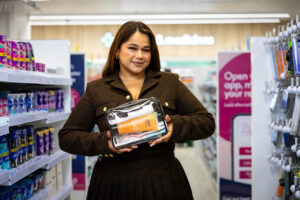
Karishma Vijay, winner of The Apprentice, holding a donation kit as she partners with Boots and The Hygiene Bank at Manchester Piccadilly Station to launch a campaign highlighting the impact of hygiene poverty, using mannequins to represent people forced to miss work because they lacked access to hygiene essentials. Issue date: Thursday July 23, 2026. PA Photo. The activation follows research showing that four in five 18–24 year olds affected by hygiene poverty say they have delayed or missed a career opportunity because they could not access basic hygiene products and encourages Boots customers to support The Hygiene Bank through the retailer’s ‘You Buy, We Donate’ initiative. Photo credit should read: James Speakman/PA Media Assignments
As more than a million young people remain out of work or training in the UK1, new research from Boots and The Hygiene Bank reveals that hygiene poverty is creating a significant barrier to employment.
The hidden costs of appearing ‘workplace ready’ can more acutely affect young people seeking early career opportunities. Four in five 18–24 year olds affected by hygiene poverty say they have delayed or missed a career opportunity because they could not access basic hygiene products like period products, toothbrushes and toothpaste and deodorant.
The stigma associated with hygiene poverty can also have a tangible impact. Most people (74%) in the UK believe that job seekers are judged first on appearance, and around eight in 10 people say that personal hygiene is one of the most important factors that they consider when forming a first impression of someone.
Karishma Vijay, winner of BBC The Apprentice and CEO of Kishkin, said: “For young people starting work, being able to afford hygiene products can be the difference between showing up confidently and not showing up at all.
“I grew up with a single mum, and even as a young girl I knew we were struggling to make ends meet. My mum always taught me that material things come and go, but she made sure we were clean and presentable because she knew opportunity doesn’t always come knocking and looking the part could make a difference. She overcompensated on how we looked so the world couldn’t see we were struggling. Looking back, I realise what she sacrificed and the stress she hid. Whether it was eating off the same plate or taking me and my sister to the pool to bathe, what felt normal to us was survival for her.
“Hygiene poverty plays a massive role in why people can’t improve their situation. They can’t get into the rooms that could change their lives because they already feel like everyone else has a head start. That’s why I’m proud to partner with Boots and The Hygiene Bank to help make the invisible visible and tackle hygiene poverty.”
The research findings reflect how important first impressions remain in the workplace. To help, Boots alongside The Hygiene Bank have created 15,000 ‘First Impression’ kits, based on the essential items that a young person would need to prepare for an interview, including deodorant, shampoo, shower gel, and dental products. The kits
Anna Harland, Director of Corporate Affairs at Boots, said: “We recognise that there is a serious youth employment crisis in the UK, and entering the job market is already challenging. This can be made significantly harder for many young people living in hardship, who sadly are being held back from work, confidence and everyday opportunities because they cannot afford basic hygiene essentials. Hygiene poverty is often hidden, but its impact reaches far beyond the bathroom, so we’re proud to partner with The Hygiene Bank and The King’s Trust to highlight this important issue.”
Hygiene poverty currently affects more than 4.2 million people in the UK. For those living with a very limited income hygiene
Ruth Brock, CEO of The Hygiene Bank, said: “Hygiene poverty can often be a hidden problem. Going without or substituting products – washing up liquid used as shampoo, rolled up tissue instead of period products, teeth brushed with a finger – all contribute to the shame and stigma people tell us they feel. The critical issue is that this isn’t just causing acute misery, anxiety and depression, it’s also blocking opportunities and limiting life chances. This campaign is highlighting specifically how hygiene poverty is shutting young people out of work opportunities – and therefore limiting their futures. That’s a problem for us all. So these kits from Boots are a vital and exciting next step to help young people feel ready for the workplace – and ready for a brighter tomorrow.”
More than half (58%) of those who have faced hygiene poverty worry sometimes or often that their personal hygiene will cost them their job or hold back their career, rising to almost two thirds (64%) of surveyed 18–24 year olds. Additional research from The King’s Trust shows found that over half (55%) of young people out of work and education say the longer they are unemployed, the more difficult it is to find work2
Jonathan Townsend, UK chief executive of The King’s Trust, said: “Many of the young people we support who are out of work face barriers that go beyond finding the right opportunity or job. At The King’s Trust, we empower them to build the confidence, skills and experience to move forward, but without access to basic hygiene products, some will still be held back from taking that next step.
“Boots is a long standing supporter of our work to help young people develop the self belief and tools they need for employment. These kits are another important step, offering practical support to those facing hygiene poverty, removing one more barrier so they can show up prepared, confident and ready to take their next opportunity.”
Data from The Hygiene Bank and In Kind Direct also shows the wider emotional and social toll. One in ten children have missed school through fear of bullying over poor hygiene, while 21% of children living in hygiene poverty avoid playing with others for fear of being judged, 26% suffer from low self-confidence and 17% feel embarrassed and ashamed3. Together, these figures paint a stark picture of how going without essentials can damage confidence early and create lasting barriers to opportunity.
This summer*, everyone shopping at Boots in store and online will be able to help deliver essential products to people who need them most. Every purchase of participating brands including Colgate, Tampax, Always, Oral-B and Sanex, will be matched with a product donation, with over 500,000 products pledged to be donated to The Hygiene Bank.
With its customers and colleagues’ support, Boots has donated