 Many people think of retail as a simple starting point, but the field covers far more than standing at a counter. If you’ve ever wondered what is a retail job, what stores expect from employees, or how to prepare for this path, this guide breaks everything down in a clear and practical way.
Retail roles differ by store type, but they all share one central mission: helping customers. From answering questions to keeping products organized, retail workers support the entire shopping process. Whether you’re new to the workforce or exploring a career change, retail can be an accessible place to build valuable skills.
What do retail jobs look like today?
People often ask what’s a retail job and why it remains such a popular choice. Retail stores still depend on workers to operate smoothly, even with online shopping on the rise. When someone asks what are retail jobs, the simplest answer is that they involve helping customers, preparing merchandise, and keeping a store running on a daily basis.
A retail worker may handle anything from sales to stocking to checkout support. Some roles focus on product knowledge, while others lean toward organization or customer support. Because of this flexibility, retail suits many types of personalities. The variety also explains why retail workers continue to be hired in nearly every city, from malls to standalone shops to airport stores.
The biggest strength of the field is accessibility. With minimal entry barriers, it allows people to gain workplace skills without a long preparation process. For students, part-time job seekers, or anyone exploring a new direction, retail remains a reliable option.
Education and Preparation for Retail Work
You don’t need a degree to work retail, and that’s why many people begin their work life here. When new workers ask what do retail workers do, managers often explain that most training happens on the job. Stores teach new hires how to manage payments, handle products, and speak confidently with customers.
Still, learning opportunities outside the store can be helpful. Workers who want faster advancement often build their communication and organizational skills through short courses or general education programs. Some people also look for support from writing or academic services when preparing applications or building resumes. For example, many learners rely on a dissertation writing service when completing big academic tasks, which can free up time to focus on retail training or part-time shifts.
This mixed approach—learning in the store while building soft skills from external education—helps workers grow toward roles like shift leader, merchandiser, or department supervisor.
What does a retail worker do each day?
People searching for what is a retail worker or what’s a retail worker often picture someone scanning products. While checkout support is one part of the job, it’s only a small portion of what stores expect.
Daily tasks may include:
- Helping customers find items
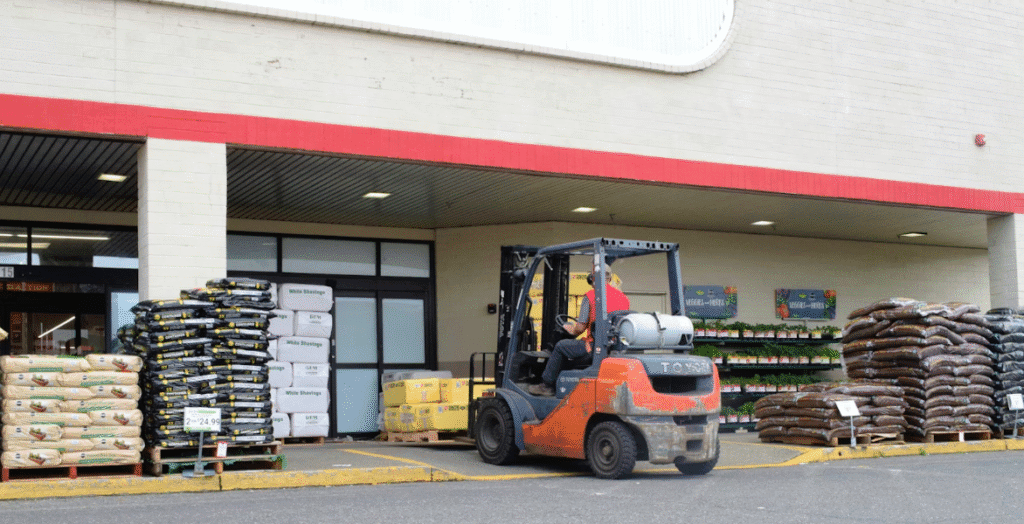
- Stocking shelves
- Recommending products
- Managing returns
- Keeping the store clean
- Organizing displays
- Processing payments
If you’re wondering what does a retail worker do, the simple answer is: a bit of everything. A strong employee needs patience, clarity in communication, and the ability to stay focused during busy hours. Because stores can get crowded, handling pressure calmly makes a big difference.
Why people choose retail jobs
The field attracts people for several reasons. Many jobseekers look for part-time hours that work with school or family schedules. Others want an active job instead of sitting at a desk all day. Some workers choose retail because it’s a direct path to leadership roles—many store managers began as entry-level employees.
When customers ask whats a retail job, hiring teams usually describe it as a mix of customer contact and product handling. It suits social personalities who enjoy helping people, but it also works for introverted workers who prefer stockroom tasks or back-of-house responsibilities.
Retail also offers a wide range of environments:
| Retail Setting | Common Roles |
| Clothing stores | Sales associate, stock worker |
| Electronics shops | Product advisor, cashier |
| Grocery stores | Front-end clerk, shelf stocker |
| Gift shops | Sales support, customer helper |
| Department stores | Multiple departments, varied tasks |
Because the field is so broad, workers can move between store types without major retraining.
Salary and growth outlook in retail
Income depends on region, store type, and position. New workers often start at hourly rates, while experienced employees move into roles with higher pay. Jewelry shops, electronics stores, and high-end retail locations typically offer higher wages than basic goods stores.
When jobseekers ask what do retail workers do, they often expect slow career progress. In reality, many chains promote internally, giving motivated workers a chance to rise quickly. Team leaders, merchandisers, and store managers often come from entry-level roles.
Although some parts of the retail sector change over time, the need for workers remains steady. Stores require human support for customer interactions, product knowledge, problem-solving, and maintaining store appearance.
Skills that help you succeed in retail
To succeed, workers need practical habits rather than formal credentials. Hiring teams look for people who listen well, stay organized, and communicate clearly. Since retail can be busy, the ability to stay calm helps workers handle both slow and fast shifts.
Key traits include:
- Clear communication
- Patience
- Basic math skills
- Reliability
- Friendliness
- Willingness to learn
- Comfort standing or moving for long hours
Someone wondering what is a retail job should know that these simple qualities often matter more than prior experience.
Final thoughts
Retail can be a great fit for new workers and career changers alike. It offers real-world skills, flexible opportunities, and room for steady growth. Whether you’re searching for your first job or exploring a different path, learning what a retail job actually involves can help you decide where you fit best. The field welcomes people with many strengths, and its variety of roles means anyone can find a place that matches their interests and personality.