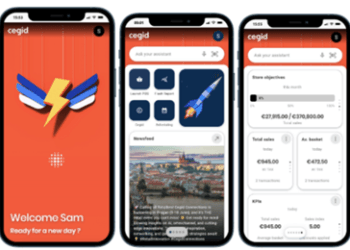

 The retail landscape has undergone a dramatic transformation in recent years, driven by the rise of digital platforms. Consumers today have greater access to products, services, and brands than ever before, thanks to e-commerce, mobile apps, and other digital technologies. This revolution in retail accessibility is not only reshaping how we shop but is also creating new opportunities for businesses to reach a wider audience.
Expanding the reach of retailers
One of the most significant ways digital platforms are changing retail accessibility is by enabling businesses to reach a global audience. Previously, brick-and-mortar stores were confined by their physical location, with foot traffic being a key determinant of their success. However, with the advent of e-commerce platforms, businesses no longer need to rely solely on their local customer base.
For example, small fashion boutiques can now sell their products globally through an online store, allowing them to tap into a much larger market. This expansion not only drives sales but also helps them reach consumers who may not have previously been able to access their products due to geographical limitations. Similarly, artisans and local crafters can now sell unique handmade goods to customers worldwide, using digital platforms to extend their market reach. Additionally, the ability to sell 24/7 without the constraints of physical store hours has opened up new opportunities for retailers.
Enhanced convenience for consumers
One of the major benefits of digital retail platforms is the convenience they offer to consumers. The traditional shopping experience often involved travelling to a physical store, navigating crowded aisles, and waiting in long queues. With online shopping, consumers can browse, compare, and purchase products from the comfort of their own homes, saving time and energy.
Mobile apps and websites have made it even easier for consumers to shop on the go. Whether it’s ordering groceries during a lunch break or purchasing clothing from a train, the ability to access retail options from smartphones has made shopping an entirely flexible and convenient experience.
Supermarkets and grocery chains, for example, have embraced the convenience of online shopping with home delivery services, allowing customers to select items, pay, and have them delivered to their doorsteps. This service has grown especially popular with busy consumers who prefer the convenience of shopping from their mobile phones without the hassle of going to the store. Similarly, the online gambling industry has allowed players to access their favourite casino games on mobile apps and websites, enabling customers to enjoy entertainment anytime and anywhere. Because of their convenience and accessibility, a growing number of bettors now prefer to visit casino sites for UK players to enjoy games like blackjack, slots, and poker online instead of travelling to physical establishments. By shifting to online platforms, online casinos are more accessible to a wider audience of gamers.
Personalisation of shopping experiences
Digital platforms have also introduced a new level of personalisation to retail experiences. Many e-commerce platforms use sophisticated algorithms to analyse customer data, track browsing behaviour, and recommend products based on individual preferences. These personalised experiences allow retailers to tailor their marketing and product offerings to the specific tastes of their customers.
For instance, online book retailers often recommend books based on previous purchases or what other customers with similar tastes have bought. This targeted approach not only helps customers find products they might be interested in but also drives higher conversion rates for the retailer. Additionally, fashion retailers use data analytics to predict fashion trends and suggest products based on a customer’s unique style or preferences, improving the shopping experience.
Greater variety and selection
With digital platforms, consumers now have access to a wider variety of products than ever before. Traditional retail stores, particularly smaller ones, were often limited by shelf space, meaning they could only offer a select range of products. However, online retailers can showcase extensive catalogues of goods, allowing customers to explore a vast array of items from different categories, brands, and price points. For consumers this is typically a good thing, however, some experts argue that when consumers have too many options to choose from they may be less inclined to get excited about a product.
Regardless, there are now more items available for shoppers online than ever before. For example, electronics retailers can offer everything from the latest smartphones to niche computer accessories that might not be available in physical stores. Similarly, furniture and home decor companies can provide a wide selection of items, often accompanied by detailed descriptions and customer reviews to help consumers make informed purchasing decisions. This expanded selection means customers can find exactly what they’re looking for, regardless of whether it’s a mainstream or niche product.
Inclusivity and accessibility for all consumers
Digital platforms have played a pivotal role in making retail more accessible to a broader range of consumers. E-commerce websites and apps are now designed with accessibility in mind, ensuring that individuals with disabilities or impairments can shop online with ease. Features such as screen readers, adjustable text sizes, and colour contrast settings make it easier for people with visual or hearing impairments to access retail platforms.
In addition to physical accessibility, digital platforms have also made shopping more inclusive for individuals living in remote or rural areas. Previously, consumers in these areas had limited access to certain products or services due to the absence of local stores. Online shopping eliminates this barrier by offering delivery to virtually any location, ensuring that even those in the most isolated regions can access a wide range of products.
Instant gratification through digital services
In addition to traditional shopping, digital platforms also offer services that provide immediate satisfaction to consumers. Many retailers are now integrating same-day delivery services, allowing customers to receive their purchases almost immediately after placing an order. This immediacy caters to a growing desire for instant gratification in the modern world, where consumers are used to having things delivered quickly.
Consumer reviews and social proof
Another key feature of digital platforms is the ability for consumers to read reviews and ratings from other shoppers before making a purchase. Online reviews have become an integral part of the buying process, providing customers with valuable insights into the quality of products and services. This form of social proof helps customers make more informed decisions and boosts confidence in their purchases.
For instance, e-commerce websites often feature customer reviews and ratings for products, which help guide potential buyers. A consumer might decide to purchase a product after reading positive reviews from other customers who have used it. In some cases, these platforms also include video reviews or testimonials, which add an extra layer of authenticity and reliability. This transparency increases trust between businesses and customers and ensures that consumers are satisfied with their purchases.