

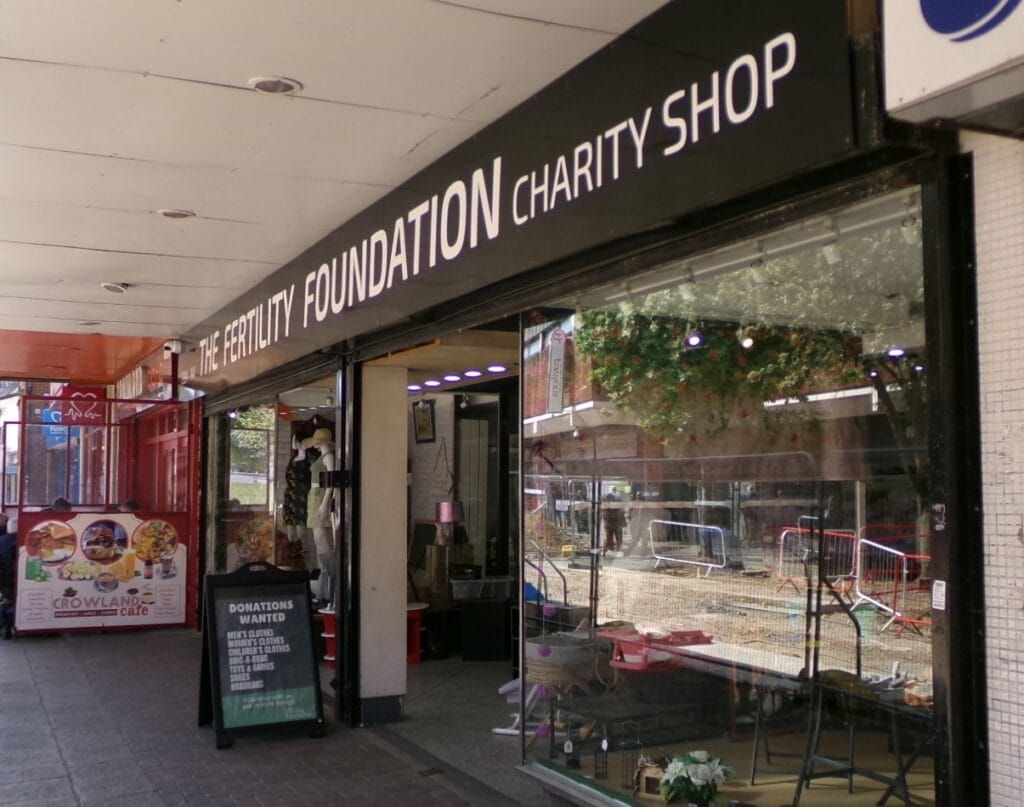
A violent attack on a charity shop owner has exposed how rising retail crime is affecting community-based stores that rely on volunteers to support vital causes.
Tone Jarvis-Mack, founder of The Fertility Foundation, was physically assaulted in his shop which raises money to fund IVF grants for individuals and couples who cannot afford treatment.
In response, his shop in Waltham Cross, Hertfordshire, has become the first in the charity sector to install Facewatch’s facial recognition system designed specifically for retailers.
The technology alerts trained staff to the presence of known repeat offenders before a crime occurs, enabling early, non-confrontational intervention. Mr Jarvis Mack’s charity shop is one of the first examples of a non-profit retail space using biometric technology as a crime prevention measure.
“It gives us peace of mind,” said Mr Jarvis-Mack. “We’ve taken back control. We’re not trying to catch people, we want to prevent crime from happening in the first place.”
He added: “Retail crime is absolutely out of control. People assume we’re just given things for free, and so they think it’s fair game, but that’s not the point, we’re here to raise money to help people have children.
“The abuse I received was shocking. Now, I need to do all I can to protect my staff, volunteers and customers.”
Mr Jarvis-Mack’s story features in the first of a new series of short films being produced by Facewatch to highlight examples of the daily realities faced by Britain’s retail workers.
His experience in the charity sector is far from unique.
According to the Charity Shops Survey undertaken by Civil Society Media, charitable organisations across the UK have reported rising levels of shoplifting, verbal abuse, and anti-social behaviour.
In its findings, Tenovus Cancer Care reported a “significant increase” in thefts, describing offenders as acting “more brazenly, and Longfield Community Hospice issued banning letters to repeat offenders and began issuing personal alarms to staff.
Seperately, in Sussex, the BBC reported that Guild Care, operating 15 stores, closed most of its changing rooms due to “rampant shoplifting and anti-social behaviour”. The charity noted a marked increase in such incidents since the COVID-19 pandemic and the financial crisis.
Retail crime across the UK as a whole is surging. In 2024, England and Wales recorded 516,971 shoplifting offences – a 20 per cent increase year-on-year. The British Retail Consortium estimates 20 million theft incidents occurred last year, costing the sector £2.2 billion, with much of the increase linked to organised gangs.
Nick Fisher, CEO of Facewatch, said: “Sadly, no part of the UK retail industry is untouched by criminal activity today including our nation’s much-loved charity shops, which do so much to support vital causes.
“Through our Take Back Control campaign, we want to shine a spotlight on the real experiences retail workers face daily while on the shop floor.
“Behind the almost daily headlines and statistics – like the 20 per cent year-on-year rise in shoplifting, or the 1,000-plus incidents of violence and abuse suffered by shop workers every day – are real people simply trying to do their jobs.
“As we share their stories, we’re also showing how live, accurate facial recognition systems can help protect them. From corner shops to charity stores to large retail businesses, Facewatch enables stores to take back control by significantly reducing crime and making stores safer for retail employees.”