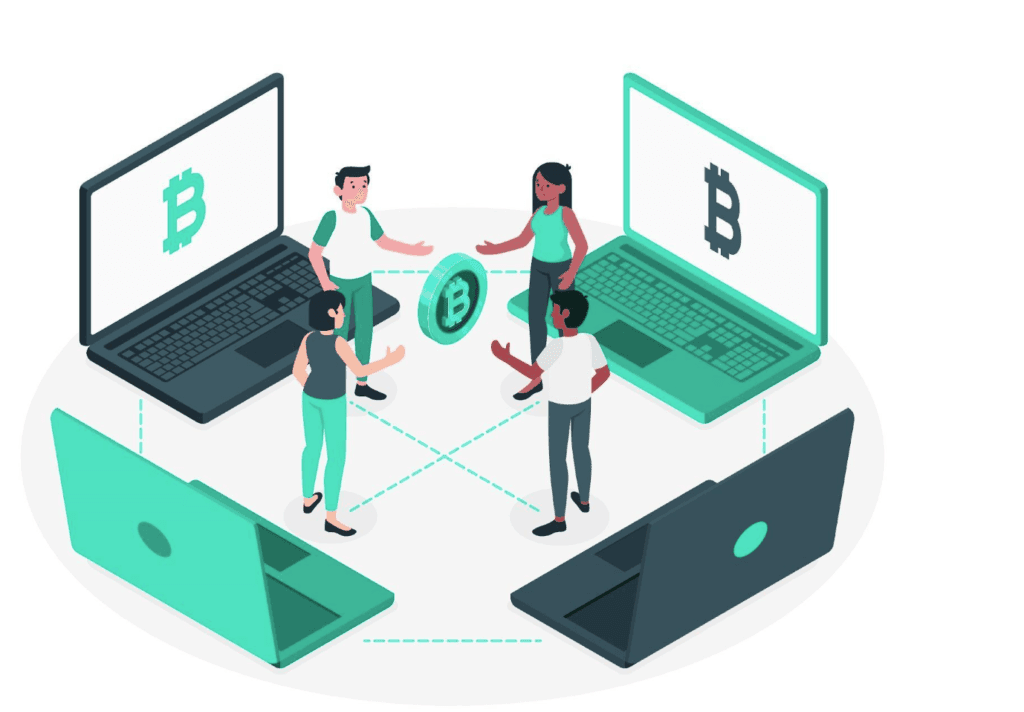
 Peer-to-peer (P2P) platforms have completely transformed the retail sector. This ultimately changed how people communicate in a P2P network or system. In a P2P network, each party, the buyer and the seller, has equal status. This means that they can provide and consume resources, services, or information directly without a middleman.
Growing platforms using P2P models, like Facebook Marketplace and eBay, have disrupted the retail sector. As the P2P trend grows and gains momentum, the traditional retail model is struggling to adapt. In the peer-to-peer networks, a sense of community and trust is created amongst consumers and sellers that cannot be replicated in traditional retail environments.
But it’s not just in retail; peer-to-peer networking has affected many industries beyond the retail sector. This includes online gaming systems, open-source software, and the gambling industry. For example, betting exchanges have adopted the P2P model. An example of early P2P model adoption is Betfair, which launched in the early 2000s.
Using the P2P model, Betfair allowed users to set their own odds, place bets, and act as bookmakers. Since then, betting exchanges have grown in popularity and there are now several other platforms that offer similar betting experiences. Betfair’s twenty-three-year contribution to the peer-to-peer format is widely recognised. The company is considered one of the industry’s most successful betting exchange platforms (source: https://sportslens.com/uk/betting-sites/betting-exchange-sites/). These sites generally offer betting odds than traditional sportsbooks, but there’s sometimes a commission charged on winning bets so the platform still obtains some profit.
Technology has been a driving force behind the success and expansion of P2P across industries. This provides instantaneous connectivity, improved user experience, productivity, as well as interaction stability. For instance, in finance, blockchain and cryptocurrencies enable peer-to-peer transactions. This allows secure and transparent peer-to-peer lending and instant financing without intermediaries. Technology like decentralised applications (dApps) use blockchain to create a trusted environment, reducing the need for middlemen. Additionally, AI algorithms facilitate personalised matches by connecting buyers and sellers, lenders and borrowers, and drivers and passengers based on individual preferences and needs.
Then, in hospitality, accommodation programs like Airbnb use P2P technology to connect guests and hosts directly. This ultimately allows hosts to build trust through user reviews and ratings, and allows them to vet potential visitors to their property before accepting the reservation.
Across industries, unique peer-to-peer models have also emerged, proving how versatile the P2P structure is. Community-supported agriculture programs use apps modeled after the P2P format. These apps connect members exclusively to local farmers. Think of visiting a farmers market, but online. This not only supports local business but encourages a relationship that goes beyond a simple transaction.
Another great example is crowdfunding platforms. For instance, Crowdcube uses the peer-to-peer model to connect entrepreneurs and businesses looking for funding from individual investors.
Despite these successes of the P2P model, there are also some challenges.
P2P models often operate in regulatory grey areas. Compliance with relevant laws and regulations can be complex and varies per country. Navigating the legal framework and dealing with regulatory issues are constant concerns. Additionally, it is difficult to guarantee product or service quality and reliability without centralized management in the P2P environment. Despite these challenges, there are opportunities for efficiency improvement, cost reduction, and increasing inclusion.
The P2P model will likely continue evolving and expanding in the future. Once the laws change to support peer-to-peer transactions, it will change how we communicate and collaborate.