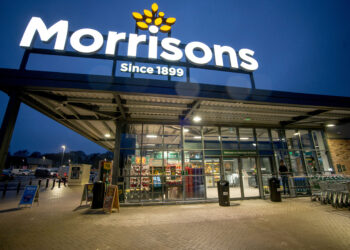
 Retailers across the UK are placing instant-refund payment systems at the centre of their customer-experience strategies, largely because shoppers have grown used to fast digital interactions in nearly every aspect of life. Consumers want a smooth purchase, but they also expect the same level of speed if something needs to be returned. Waiting several business days for money to reappear in a bank account feels increasingly outdated, especially in an era where convenience rules, queues have shortened, and customer-service expectations have risen sharply. Retailers have learned that a faster refund process reduces frustration, strengthens trust, and encourages repeat purchases, which ultimately benefits both sides of the transaction.
The appetite for instant-payment solutions has been shaped by habits formed in the broader digital economy. It becomes clear that people now rely on instant transfers for a range of services that once depended on slower, manual steps. Food-delivery services settle driver earnings quickly, ride-hailing apps push payments in minutes, and freelance platforms allow creators to access payouts on the same day. Digital wallets and mobile-banking apps also reinforce these expectations by offering real-time notifications and rapid money movement. As these instant models become normalised, shoppers naturally look for the same capabilities in retail, whether they are buying clothes, electronics, or home goods.
This demand has been pushed even further by sectors that have already perfected instant payments to stay competitive. Among them are online casinos, many of which prioritise rapid withdrawals as a key selling point. The competition in that industry has encouraged platforms to adopt lightning-fast payout systems, and this standard has spread across other digital sectors. As a result, instant payout casinos have become popular because they offer near-immediate access to winnings, smooth verification processes, and clear withdrawal terms.
Their streamlined systems show how powerful fast financial flows can be, and many retailers see them as examples of how reducing wait times can increase customer satisfaction and long-term loyalty. These platforms also demonstrate how transparency, efficiency, and simple account-management features can become decisive advantages in crowded markets. After this point, the article moves on without mentioning gambling again.
For retailers, the shift to instant refunds is not just about matching a trend. It is also about operational efficiency and long-term brand reputation. When a shopper receives money back immediately, they are more likely to view the retailer as trustworthy and supportive. This perception matters, especially for brands that rely heavily on online sales. A customer may order several items to try at home, return most of them, and still come back for future purchases if the refund experience feels seamless. Retailers want people to feel confident enough to experiment without worrying about their funds being tied up for days.
Recent quarterly retail sector data shows rising competition within the UK retail sector, which is likely also influencing the move toward instant refunds. Shoppers compare experiences across brands more easily than ever, and payment speed has become a deciding factor. If one retailer offers instant refunds while another still takes a week, the difference can sway purchasing decisions. A quick refund reduces friction during returns and encourages a customer to buy again from the same store instead of looking elsewhere. In a retail environment where margins are tight and loyalty is increasingly fluid, small advantages can add up to significant gains.
Technology plays a major role in enabling these faster systems. Open-banking frameworks allow payments to move more efficiently, while modern payment processors can verify transactions in real time. Retailers can now integrate solutions that automate refund approval once items are scanned and verified in store or collected by couriers. These tools reduce the workload for support teams and minimise errors caused by manual processing. Faster back-office operations translate directly into a smoother customer journey.
Another important factor is transparency. Instant-refund platforms often come with clearer tracking tools, allowing customers to see the status of their return from the moment it is initiated. Real-time updates help reduce incoming support queries and create a stronger sense of control for the shopper. When customers know exactly what is happening, they are far less likely to feel anxious or disappointed by the process. This transparency also proves useful for retailers, who can monitor return patterns, identify repeat issues, and improve stock-management strategies.
The psychological impact of instant refunds is also worth noting. A fast refund closes the loop on the shopping experience, eliminating lingering uncertainty. It encourages people to treat online shopping as a low-risk activity, which fuels higher engagement and more frequent purchases. Retailers who invest in these systems gain an advantage simply by reducing the hesitation that sometimes comes with buying online. The effect is subtle, but it shows up in better conversion rates and fewer abandoned carts.
Ultimately, the rise of instant-refund payment systems reflects broader changes in consumer behaviour and expectations. Retailers are adapting to a world where speed, convenience, and clarity are essential. By aligning their processes with the instant-payment culture already established in many digital services, they are positioning themselves to meet the demands of modern shoppers. As more businesses adopt these systems, the standard for what counts as good service will continue to shift. Retailers that embrace the change early will be better equipped to retain customers and compete effectively in the fast-moving UK market.