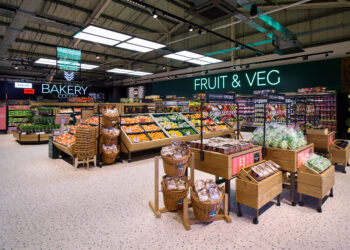
 In recent years, a noticeable shift has occurred in the retail landscape. More and more physical retailers are moving their operations online, embracing e-commerce not only as a strategic business move but also as a way to reduce their environmental footprint. This digital transformation is helping businesses adapt to changing consumer behaviours while simultaneously contributing to sustainability efforts.
The environmental cost of traditional retail
Physical stores have a notable environmental impact, using significant energy for lighting, heating, and cooling, often from fossil fuels. Building and maintaining these premises also consume natural resources. Transport logistics add to this footprint, with goods moving through multiple stages and customers travelling to shops, all contributing to emissions. Additionally, physical stores produce waste from packaging, promotions, and unsold stock, much of which ends up in landfills.
How online retail can help reduce environmental impact
Moving online offers retailers several ways to reduce their environmental impact. One of the most significant benefits is the potential reduction in energy consumption. Without the need to light, heat, or cool large physical spaces, retailers can drastically cut electricity use.
Consumer behaviour changes also play a part. Shopping online reduces the need for individual car trips to multiple stores, decreasing traffic congestion and emissions. Some retailers encourage eco-friendly delivery options, such as electric vehicles or consolidated shipments, further lowering their carbon footprint.
For example, independent bookshops that have moved online avoid the energy costs associated with running physical stores, while still reaching a wide audience. Online casinos are another key example—by allowing players to enjoy games from home, they eliminate the need for travel to physical venues, reducing transport emissions significantly. Bettors are increasingly choosing to wager at real money online casinos from home, instead of travelling long distances to physical venues. Not only is it more environmentally friendly to do so, but online sites now offer large game libraries and huge bonuses that physical venues find hard to match. Similarly, grocery stores offering online ordering and home delivery can optimise delivery routes and reduce food waste through better stock management.
Packaging remains a challenge, but many online retailers are adopting sustainable materials and minimalist packaging designs to reduce waste. Offering customers options for recycling or reusing packaging also helps close the sustainability loop.
Boosting sales through online presence
Beyond environmental benefits, moving online presents significant commercial advantages. Many consumers have grown comfortable with digital shopping platforms, and physical retailers embracing online sales channels can expand their reach and resilience.
Online retail opens access to a wider audience. Unlike physical stores constrained by geography, digital shops are accessible nationally or even globally. This expansion offers retailers the opportunity to reach new customers and markets.
Data analytics tools allow online retailers to gain insights into customer preferences and behaviour, enabling personalised marketing and improved product recommendations. This targeted approach increases customer satisfaction and drives repeat business.
Moreover, operating online can lower overhead costs related to rent, utilities, and staff, improving profit margins. While there are expenses associated with website maintenance, digital marketing, and logistics, many businesses find the overall costs more manageable than running multiple physical locations.
Challenges and considerations
Despite the advantages, transitioning online is not without challenges. E-commerce logistics can create new environmental issues, especially around packaging waste and last-mile delivery emissions. Retailers must carefully consider sustainable delivery options and packaging solutions to ensure that gains made by reducing physical store operations are not offset.
Furthermore, the digital divide means not all consumers have equal access to online shopping, which can exclude certain demographics. Physical stores often play a vital social role in communities, providing employment and serving as hubs of activity. Retailers need to balance their digital ambitions with their responsibilities to local communities.
Security and data privacy are also critical concerns in online retail. Maintaining customer trust through robust cybersecurity measures is essential for long-term success.
The future of retail: hybrid models and sustainability
Looking ahead, many retailers are adopting hybrid models that blend online and offline elements. Click-and-collect services, where customers order online and pick up in-store, combine convenience with reduced delivery emissions. Pop-up stores and temporary physical locations can offer in-person experiences without the environmental cost of permanent premises.
Technology is also advancing rapidly to support sustainability. Innovations such as virtual and augmented reality allow customers to try products remotely, reducing the need for returns and physical sampling. AI-driven logistics optimise delivery routes, cutting fuel consumption.
Consumers are increasingly seeking brands that align with their values, including environmental responsibility. Retailers who demonstrate genuine commitment to sustainability through their operations and communications can build stronger, more loyal customer bases.
Conclusion
The shift from storefront to screen represents a significant opportunity for retailers to benefit both the planet and their profits. By embracing online platforms, businesses can reduce energy consumption, streamline logistics, and decrease waste, contributing to a more sustainable retail sector.
At the same time, digital retail unlocks access to wider markets, enhances customer engagement, and offers cost efficiencies that improve profitability. While challenges remain, the combination of environmental and commercial benefits makes the move online an attractive strategy for forward-thinking retailers.